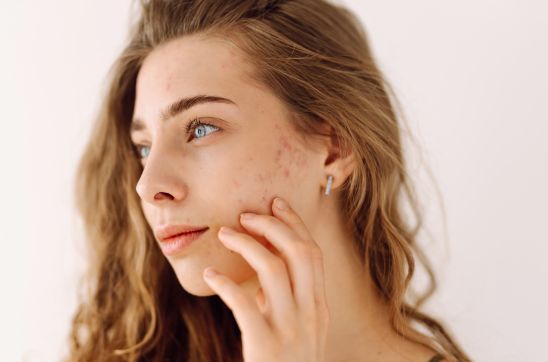
Types of Scars on Face: Causes, Identification & Treatments
What if the marks you see in the mirror today could look softer and smoother with the right care? Facial scars often bring up questions and concerns, especially when they change how your skin feels or looks. Some scars fade quickly, while others linger and affect confidence. Knowing what type of scar you have and how it forms helps you take the right steps toward healing.
There are effective ways to support your skin’s recovery, from simple home care to advanced dermatological treatments. With consistent attention and the right choices, you can guide your skin toward a healthier, more comfortable appearance.
Types of Scars on the Face
Understanding what are the scars on the face gives you clarity on what you are dealing with and helps you choose the right care early for smoother, healthier healing.
Atrophic (Indented) Scars
Dents that sit below the surrounding skin, often after spots or chickenpox. Ice pick scars are narrow and deep; boxcar scars have sharper edges and rolling scars have sloping borders. These patterns explain much of the pitting and scarring on the face that follows breakouts.
Hypertrophic Scars
Thick, raised marks that do not extend beyond the initial cut. They can be tight or itchy in the early stages and tend to settle over months.
Keloid Scars
Thicker, rubbery growths that extend beyond the initial injury. They are more common on the jawline and earlobes and usually need professional input.
Post-inflammatory Hyperpigmentation (PIH) and Post-inflammatory Erythema (PIE)
PIH (brown) and PIE (pink or red) are flat colour changes rather than true scars. They can make facial scarring appear more noticeable even when the skin feels smooth.
Contracture Scars
Tight, shiny areas after deeper burns. These may limit movement and require specialist care. Knowing the types of scars on the face helps you match expectations with treatment choices.
If you are unsure whether a mark is a scar or pigmentation, a clinician or dermatologist can confirm the diagnosis and suggest next steps.
Common Causes of Facial Scarring
Everyday triggers can increase scarring on the face, so knowing the causes helps you act early and gently.
Acne and Picking
Pressing or squeezing increases inflammation and the chance of atrophic marks.
Cuts and Abrasions
Everyday knocks, sports falls, or shaving slips can become a scar if healing is disrupted.
Burns and Scalds
Heat, steam, or chemicals may change texture and colour.
Surgery and Piercings
Tension, infection, and genetics influence the formation of raised scars.
Sun Exposure
Darkens marks and slows natural blending, keeping facial scars visible for longer. Prompt, gentle care and daily SPF reduce the chance these factors leave lasting facial scars.
Treatments for Scarring on the Face
Here are some effective options to help improve the appearance of scars and restore skin texture.
Daily Care that Helps
○ Sun Protection: Wear broad-spectrum SPF every morning. It evens tone, supports scar reduction, and helps lighten dark spots.
○ Gentle Cleanse and Moisturise: Keep the barrier calm to support steady improvement in scarring on the face.
○ Massage: Once fully closed, a light circular massage can improve flexibility.
Topicals and Product Choices
○ Cuts and Burns: Use Mederma Advanced Gel on closed skin for scar reduction.
○ After Acne or Pimples: Scar treatments can help reduce leftover spots. However, these treatments do not address active acne. Focus on gentle skincare and use products designed for scar healing once the skin has fully healed.
○ Older Marks: Can improve with time and consistent use.
○ You may also consider an over-the-counter anti scar lotion to support hydration and softening; choose non-comedogenic, fragrance-free formulas that suit your skin.
○ Raised Scars: Silicone gel or sheets, steroid injections, pressure therapy, or laser.
○ Seek Advice: Discuss skin tone, downtime, risks, and cost. For a fresh face injury scar, use SPF and topicals; a clinician can confirm whether it’s a scar or pigment.
Professional treatments should only be pursued under the guidance of a licensed dermatologist or healthcare professional. Always consult with a clinician before starting any treatment. Results may vary depending on individual skin types and conditions.
Prevention Tips
Healthy habits can make a big difference in how your skin heals. Preventing scarring on the face is easier than treating it later.
● Treat breakouts early and avoid picking to reduce scarring on the face.
● Clean small cuts promptly, keep them lightly moisturised, and protect from the sun to minimise a face injury scar.
● Use silicone gel or sheets on new surgical scars if your clinician advises. Reapply SPF outdoors to keep facial scars from darkening and to maintain progress.
A calm, consistent skincare routine and mindful sun care help your skin recover smoothly, reducing the likelihood of lasting types of scars on the face.
Your skin has already done the hard work of healing, and it deserves patience. Caring for facial scars is a choice, not an obligation. If you want support, anchor your routine in daily SPF, gentle care, and consistent topicals. Mederma Advance Plus Scar Gel can help reduce cut and burn marks.
Improvements for older scars take time, so track progress with photos and steady habits. If you are comparing types of scars on the face, a professional review can guide targeted options for pitting and scarring.
Complete removal of face injury scars is unlikely, though over-the-counter care can help them fade. Mederma helps soften scar texture with regular use. Protecting scars from sun exposure prevents darkening. If you need further improvement, professional options like microneedling or lasers can enhance results over time.
No. Many small, shallow injuries heal cleanly with little trace. Scarring risk depends on depth, location, infection, tension, skin tone, and genetics. Good aftercare matters: cleanse gently, keep wounds lightly moisturised, avoid picking, protect with SPF, and use silicone gel or sheets on new surgical scars if advised.
Facial scars often fade faster than body scars due to the rich blood supply in facial skin, which promotes quicker healing. However, sun exposure can slow down the healing process, so it’s important to use broad-spectrum SPF daily. For texture changes, professional treatments like peels, microneedling, lasers, or subcision may help.
Yes, permanent scars can form if a child’s facial injury is deep, infected, or not cared for properly. Children usually heal well, so early attention makes a big difference. Keep the wound clean, gently moisturise as it heals, protect it from sun exposure, and prevent picking. If the cut is wide, on the lip or eyelid, or caused by an animal bite, get medical care quickly. Early guidance helps scars heal flatter and softer.
 mederma@winmedicare.com
 Login
Login