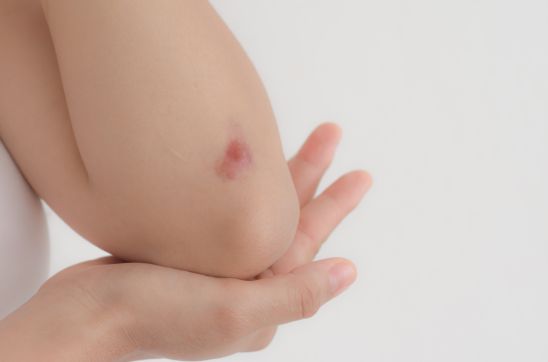
Types of Scars: How to Identify and Treat Each Scar Type
Scars are part of healing, and with the right care, they can look softer while you keep your story intact. If you are exploring how to remove scar marks, start by understanding the types of scars and what each one needs.
That clarity makes how to remove scars feel achievable without harsh routines. The aim is comfort and confidence, not perfection. Choose gentle habits, give your skin time, and build a routine you can keep. Let’s learn about all types of scars and how to treat them, including how Mederma Advanced Plus Scar Gel can support your routine.
Different Types of Scars
Scars can come in different shapes, sizes, and textures. They form when the skin heals from a wound, acne, or other types of trauma. Understanding the different types of scars that you’re dealing with is essential for effective treatment.
Hypertrophic Scars
Raised, red or purple scars that form when excess collagen is produced during healing, commonly after surgery, burns, or cuts.
Keloid Scars
Larger, thicker scars that grow beyond the original wound site, often causing itching, are more common in darker skin tones.
Atrophic Scars
Sunken scars, such as depressed acne scars, are caused by collagen loss during healing and are commonly seen on the face, making them difficult to treat.
Stretch Marks
A type of scar caused by rapid skin stretching due to pregnancy, weight gain, or growth, appearing as red, purple, or silver streaks.
Contracture Scars
Scars from severe burns that tighten and pull the skin, often limiting movement, and may require surgical intervention.
How to Identify Scar Types?
Identifying your scar types is essential for choosing care that works. Here is how to recognise the most common kinds in all types of scars:
Hypertrophic Scars
a. Look: Raised ridge that stays within the original wound edges. It turns pink to red early, then fades.
b. Feel: Firm, slightly rubbery.
c. Timing: Appears within weeks of healing and may improve over 6–18 months.
d. Symptoms: Can itch or feel tight, usually stable in size.
Keloid Scars
a. Look: Bulges beyond the wound boundary with lobed or fan-like spread. Often darker than the surrounding skin.
b. Feel: Very firm, smooth, and springy.
c. Timing: Can appear months after injury and keep enlarging.
d. Symptoms: Itch, tenderness, or sensitivity are common, and a family history raises the likelihood.
Atrophic Scars
a. Look: Sunken dips below skin level.
i. Ice pick: Narrow, deep pores.
ii. Boxcar: Wide with sharp edges.
iii. Rolling: Broad, sloping depressions.
b. Feel: Softer than nearby skin, with visible shadowing across the surface.
c. Location: Often on cheeks, temples, or shoulders after acne or chickenpox.
Stretch Marks (Striae)
a. Look: Parallel streaks that start pink or red, then turn purple, and later silver. Run with lines of skin stretch.
b. Feel: Slightly indented or smooth, sometimes finely wrinkled.
c. Location: Abdomen, thighs, hips, breasts, upper arms, lower back.
d. Clues: Appear after rapid growth, weight change, or pregnancy.
Contracture Scars
a. Look: Shiny, tight skin that pulls toward the wound centre.
b. Feel: Firm and inelastic.
c. Function: Restricts movement across joints or flexion lines.
d. History: Common after deeper burns or large tissue loss.
Knowing your scar type guides realistic expectations and helps you select treatments that reduce visibility and refine texture.
Treatment Options for All Scar Types
While it’s important to remember that scars are part of the body’s healing process, some treatments can help reduce their appearance. Here are some scar types and treatment options:
Mederma Advanced Plus Scar Gel
The first step in treating all types of scars, including depressed acne scars, is choosing the right scar ointment. Mederma Advanced Plus Scar Gel is a trusted option that works for both old and new scars. It’s clinically proven to improve the appearance, texture, and colour of scars.
Key Ingredients:
a. Cepalin® Botanical Extract: Helps visibly reduce the appearance of both new and old scars.
b. Allantoin: Known for its soothing, skin-regenerating properties, it helps soften and smooth scar tissue.
c. Triple-action Formula: Promotes collagen production, locks in essential moisture, and promotes cell renewal for smoother, softer skin.
How to use Mederma Advanced Plus Scar Gel?
Begin once new skin has formed, typically two weeks after injury or surgery. Apply a thin layer once daily and massage until absorbed. Use for eight weeks on new scars and three to six months on older scars. Reduce the amount if the skin feels dry. Expect improvements within four weeks, with the best results around eight weeks.
Microneedling and Chemical Peels
Microneedling stimulates collagen with tiny micro-channels. Chemical peels remove damaged surface layers to smooth texture. Useful for atrophic and selected raised scars.
Laser Treatments
Fractional and pulsed-dye lasers may remodel deeper tissue, reduce redness, and boost collagen. Effective for many raised and atrophic scars.
Surgical Options
For severe keloids or contractures, procedures (excision, grafts, release) may be needed. Always consult a dermatologist before surgery. Always consult a dermatologist or healthcare expert before proceeding with surgery.
Prevention Tips for Minimising Scar Formation
While it’s impossible to prevent all scar types, there are several steps you can take to minimise their appearance:
Treat Acne Early: Use dermatologist-recommended care to lower scar risk.
Hands off: Do not pick or squeeze.
Daily SPF: Prevent darkening and visibility from UV exposure.
Moisturise: Keep skin hydrated with a non-comedogenic moisturiser.
Post-surgery Care: Follow your doctor’s instructions and use scar ointment if advised.
Scars are part of healing, and your goal is comfort and confidence, not perfection. Start by identifying your scar type, then choose care you can keep. If a dermatologist recommends in-clinic treatments, support those results with simple daily steps at home. After cleansing, apply a thin layer of Mederma Advanced Plus Scar Gel once a day and massage until absorbed.
Its triple-action formula with Cepalin and Allantoin supports collagen activity, hydration, and gentle renewal for a smoother look over time. Protect progress with daily SPF, keep hands off healing skin, and track photos fortnightly to see steady change. Stay patient and consistent. With the right routine, all scar journeys can look softer, and your natural texture can feel proudly yours.
Keloid scars are the most likely to persist, as they extend beyond the original wound and can continue to grow. Complete removal is uncommon. With dermatologist guidance, silicone therapy, pressure dressings, laser or light treatments, cryotherapy in selected cases, and routine follow-up, the skin can soften texture, flatten edges, and calm symptoms over time.
Keloid and hypertrophic scars are hardest to manage because they are raised, thick, and may recur. Care often blends silicone sheets or gels, pressure therapy, laser or light treatments, cryotherapy for suitable cases, and carefully planned surgery. Individualised plans and regular reviews help sustain improvements and limit unwanted regrowth.
Yes. Stretch marks are atrophic scars that form when skin stretches quickly during growth, pregnancy, or weight change. They often fade from red or purple to silvery lines. Consistent skincare, hydration, gentle exfoliation, and sun protection can improve texture and reduce contrast while the skin gradually remodels over time.
The most common scar types are hypertrophic, keloid, and atrophic scars. Hypertrophic scars are raised and stay within the original edges. Keloids grow beyond them. Atrophic scars sit below skin level. Correct identification guides expectations and directs treatment choices that reduce visibility, improve texture, and support comfortable, confident skincare habits.
 mederma@winmedicare.com
 Login
Login