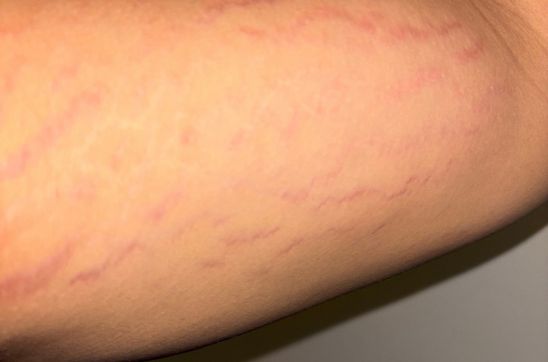
Stretch Marks on Hands: Causes, Types & Effective Ways to Reduce Them
Stretch marks on hands can feel surprising, yet they are a common sign that skin has stretched faster than it can comfortably adapt. They are usually harmless and often soften with time, especially when the skin stays well supported.
Changes in weight, muscle gain, hormones, and growth spurts can all contribute, and frequent washing can make lines look more noticeable. The goal is not perfection, but comfort and steady improvement that fits real life.
A routine built on hydration, barrier support, gentle massage, and sun protection can help the skin look smoother and more even over weeks. Let’s look at what stretch marks on hands are, why they appear, and how to reduce them safely, including how Mederma can support your routine.
What are Stretch Marks on Hands?
Stretch marks on hands are fine, linear lines that form when the middle layer of skin stretches quickly, and the supporting fibres weaken. As collagen and elastin fibres shift, the surface develops streaks that may appear red, pink, or purple and later fade into pale, silvery lines.
Early marks can feel slightly raised or itchy, while older ones may look smoother and flatter. The appearance can vary based on skin tone, genetics, and the speed at which the change occurred. Many people assume hand skin cannot stretch this way, but it can, especially around knuckles, wrists, and the back of the hand.
Do Stretch Marks Appear on Hands?
Yes, stretch marks on the hands can appear, although they are less common than on other parts of the body. They may show up when the skin experiences repeated tension, rapid growth, or sudden swelling. Some people notice them after gym training that increases forearm size, while others see them during teenage growth spurts.
Hormonal shifts can also change elasticity, making the skin more prone to visible lines. These marks may be subtle, so they are often noticed under bright lighting or when the skin is dry. If stretch marks on hands appear with severe swelling, pain, or sudden changes, a medical review is sensible.
What Causes Stretch Marks on Hands?
There is rarely one single cause, and several factors can combine to trigger stretch marks on the hands over time.
Rapid growth or weight changes can stretch skin quickly, leaving lines as the fibres adjust.
Muscle gain in the forearm can pull on the skin on the hand and wrist, especially if changes happen quickly.
Hormonal shifts can influence collagen quality, which impacts elasticity and resilience.
Genetics can make you more prone to stretch marks, even with smaller physical changes.
Dryness and frequent washing can weaken barrier function, making the skin less flexible during stretching.
Topical or oral steroid exposure may thin the skin in some cases, increasing the risk of marking. While these factors vary, the common link is the speed of stretching relative to the skin’s ability to remodel and recover.
Symptoms and Types of Stretch Marks on Hands
The symptoms of stretch marks on hands often begin subtly, then become more noticeable as colour and texture change. Early marks can look red or pink and may feel sensitive, while older marks fade and flatten.
The main differences are often colour, pattern, and how the lines sit on the skin. Two patterns people frequently describe are early red lines and circular-looking patches.
● Red Stretch Marks on Hands
Red stretch marks on the hands are usually newer, so they may appear pink, red, or purple depending on skin tone. This is often the best time to start consistent care while the skin is still remodelling.
Prioritise hydration, barrier support, and gentle massage to improve texture over time. If the area itches or looks inflamed, use mild products and avoid harsh soaps. With steady care, these marks often fade into lighter lines.
● Round Stretch Marks on Hands
A round stretch mark on the hand can appear when lines form curved, circular clusters, often around joints that stretch in multiple directions. They may look like arcs near the wrist or knuckles after swelling or rapid size changes.
Treat them like other marks with daily hydration and gentle massage. If you notice scaling, pain, or rash-like spreading, get medical advice to rule out other skin issues.
How to Reduce Stretch Marks on Hands?
Reducing stretch marks on hands takes consistency, realistic expectations, and a plan that supports both hydration and collagen comfort. If you are researching how to remove hand stretch marks, start with daily hydration, gentle massage, and targeted topical care before considering clinical options.
Use a Targeted Cream for Stretch Marks
A targeted cream for stretch marks can help when used consistently. Mederma Stretch Marks Therapy combines Cepalin™ onion botanical extract, hyaluronic acid, and Centella asiatica to support repair, hydration, and elasticity.
a. How to use: Cleanse and dry skin, then apply a thin layer twice daily and massage in circular motions. Many notice changes in four weeks, with the best results after 12 weeks. b. Important: External use only. Avoid contact with the eyes. Stop if irritation persists, and store safely away from children. Perform a patch test for 24–48 hours before wider use.
Hydrate and Protect the Skin Barrier Daily
Hands lose moisture quickly due to washing, sanitising, and exposure to the weather. Use a moisturiser after every wash to reduce dryness and improve flexibility. Look for ingredients that support hydration, such as hyaluronic acid, and pair them with occlusive support at night. Over time, better hydration can make stretch marks on hands look less sharp.
Massage to Support Smoother Texture
A gentle massage can improve the skin’s feel and may help topical products absorb more evenly. Use circular motions for a minute or two, focusing on the surrounding skin rather than aggressively rubbing the marks. This routine supports comfort and encourages consistent care, which matters most for visible improvement.
Consider In-clinic Options for Stubborn Marks
If stretch marks on hands are older or more pronounced, a dermatologist may suggest procedures such as microneedling or laser-based treatments. These options aim to support collagen remodelling and can improve texture gradually across sessions. Professional guidance matters, especially on delicate hand skin, because aftercare and sun protection influence results.
Tips to Prevent Stretch Marks on Hands
Prevention is not guaranteed, but these habits can reduce the likelihood of new stretch marks on the hands.
Moisturise after washing to prevent dryness and keep the skin comfortable during stretching changes.
Avoid harsh soaps and hot water, which strip natural oils and weaken the barrier.
Build muscle and weight gradually so skin has time to adapt to size changes.
Wear gloves in cold weather to prevent cracking and ongoing dryness.
Support nutrition with adequate protein and micronutrients that help skin repair and resilience.
Start a Consistent Hand Care Routine to Help Fade Stretch Marks
Stretch marks on hands are more common than many people think, especially during growth spurts, weight shifts, or repeated stretching around joints. The most effective approach combines daily hydration, gentle massage, and consistent targeted care, particularly when marks are newer and still red.
If you want a focused topical option, Mederma Stretch Marks Therapy can support moisture, comfort, and elasticity when used twice daily over at least 12 weeks. For older marks, professional treatments can support faster change but results still depend on steady aftercare at home.
With realistic expectations and consistent daily care, stretch marks on hands can become softer, lighter, and less noticeable over time. Start your routine today with Mederma Stretch Marks Therapy, massage it in twice daily, and give your skin the steady support it needs to improve.
Yes, teenagers can develop stretch marks on their hands during rapid growth spurts or sudden changes in weight or muscle. Keeping skin hydrated helps with comfort and flexibility. If you want targeted support, Mederma Stretch Marks Therapy can complement daily care. Use it consistently and follow patch-testing guidance for sensitive skin.
Moisturisers support hydration and reduce dryness, helping skin feel more comfortable during stretching. They cannot guarantee prevention, but they can improve flexibility and minimise irritation. For targeted support, Mederma Stretch Marks Therapy combines Cepalin™, hyaluronic acid, and Centella asiatica to support hydration and elasticity when used consistently twice daily.
Yes, stretch marks can appear on one hand if that side sees more friction, swelling, or repeated strain. Carrying bags, gripping tools, or sports can trigger local stretching. Hydrate daily and consider Mederma Stretch Marks Therapy twice daily for support. If changes are sudden or painful, consult a clinician.
Not necessarily, because stretch marks reflect rapid stretching and your skin’s collagen response, not personal health or hygiene. Many people with healthy skin develop them during normal body changes, growth spurts, or weight fluctuations. With time, they often fade naturally. Gentle hydration and sun protection can help them look softer.
 mederma@winmedicare.com
 Login
Login