What are Rolling Scars? Causes, Types, and How They Form
Changes in skin texture after acne can be confusing, especially when marks look different in the mirror and in different lighting. Rolling scars are one reason this happens, because they sit under the surface and shift the shadows across the cheeks.
The good news is that texture can improve when you match care to the scar pattern and stay consistent. Daily sun protection, gentle cleansing, and avoiding picking support repair. When you want a simple topical step, Mederma can support ongoing scar care once the skin has fully healed. Let’s learn what rolling scars are, why they form, how to spot them, and which treatments make sense.
What are Rolling Scars?
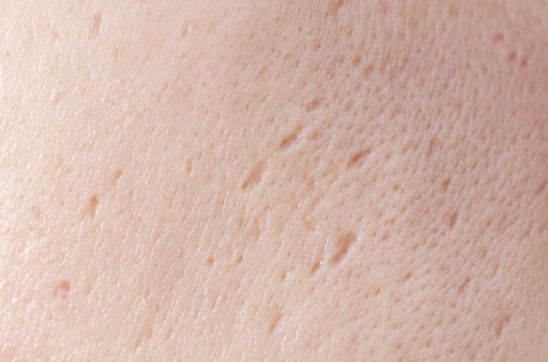
Rolling scars are broad, shallow depressions that create a wavy, uneven texture across the skin. They form when fibrous bands develop under the surface and gently pull the skin downward. This tethering effect is what gives rolling scars their soft, undulating look, especially when light hits the face from the side.
They are a type of atrophic scarring, meaning the surface sits below the surrounding skin. Many people notice rolling scars on the face, particularly on the cheeks and temples, where breakouts were frequent.
Causes of Rolling Scars
Rolling scars usually develop after deeper, long-lasting inflammation. When the skin tries to repair itself, the collagen rebuilding may be uneven, and tethering can remain beneath the skin.
Common causes include:
Inflammatory Breakouts: Cysts and nodules are more likely to trigger tissue damage than small whiteheads.
Delayed Treatment: Leaving active acne unmanaged can increase the depth and duration of inflammation.
Picking or Squeezing: Extra trauma increases tissue breakdown and worsens the chance of tethering.
Genetics and Healing Patterns: Some skin types form more noticeable texture changes during repair.
Repeated Flare-ups in the Same Area: Ongoing stress can reduce the skin’s ability to rebuild evenly. This is why rolling acne scars often appear where inflammation was deep and repeated.
How to Identify Rolling Scars?
Knowing what you are seeing helps you choose the right plan. Rolling scars have a softer edge than other indentations and tend to look different under different lighting. Here are the most practical checks:
Look for Shadowing, Not Sharp Edges: The surface appears wave-like rather than punched in.
Check Side Lighting: A torch or side window light makes textures easier to spot.
Notice the Way Skin Moves: The indentation can shift with facial expressions.
Compare Depth and Spread: Shallow rolling scars resemble gentle ripples, while deep rolling scars create deeper dips and more pronounced contour changes.
Separate Them From Similar Types: Rolling box scars can be confused with rolling texture, but box scars usually have more defined edges and a more structured shape. If you are unsure, a dermatologist can quickly confirm the type of scar during a skin assessment.
Rolling Scars Treatment Options
The most effective results come from matching the approach to scar depth, skin sensitivity, and your comfort with downtime.
A consistent routine matters because texture change is gradual. The options mentioned below cover both home and clinic support for rolling scars treatment.
Mederma Advanced Plus Scar Gel
If you want a simple topical step, start with Mederma Advanced Plus Scar Gel. It is a scar removal cream designed to support scar improvement with a once-daily routine and is suitable for many scar concerns.
Versatility: Supports improvement for both newer and older scars with consistent use.
Clinically Proven: Demonstrated to improve scar colour, texture, and overall look. Convenience: Once-daily use makes it easier to stay consistent over the long term. Ingredients that support scar care
Cepalin® Botanical Extract: Helps visibly reduce the appearance of old and new scars. ○ Allantoin: Helps soothe, soften, and smooth the feel of scar tissue.
○ Triple-action Formula: Supports collagen activity, locks in moisture, and encourages cell renewal.
How to use?
Begin once new skin has formed, at least two weeks after injury or surgery, once scabs have fallen off naturally. Apply a thin layer once daily and gently massage until absorbed, leaving no shiny residue. Use it for 8 weeks on newer scars and for 3 to 6 months on older scars. If dryness appears, reduce the amount.
● In-clinic Treatments
Dermatology treatments are often recommended for texture changes caused by tethering. Common options include:
○ Microneedling: Encourages collagen remodelling and can soften uneven texture over a series.
○ Subcision: Helps release tethered bands under the skin, allowing the surface to lift gradually.
○ Fractional Laser: Supports deeper collagen remodelling for more established texture changes.
○ Combination Plans: Dermatologists often combine procedures for better outcomes and safer pacing.
These options can be costly and may not suit everyone. Always consult a dermatologist before proceeding, especially if you have sensitive skin or pigment concerns.
Rolling scars are a common result of how skin repairs after deeper inflammation. If you want a smooth texture, the best approach is a routine you can stick to and track over time. Start with gentle cleansing, daily sunscreen, and habits that reduce picking and friction. Once the skin has fully healed, add a targeted daily step to support visible improvement. Mederma Advanced Plus Scar Gel fits easily into this plan with once-daily use. Its triple-action formula with Cepalin® Botanical Extract and Allantoin helps soften texture and improve the look of scars over time.
Start with a thin layer of the product. Massage until it is completely absorbed, then maintain a regular, consistent schedule for the best results. Take photos in the same lighting every two weeks so gradual changes are easier to notice.
Rolling scars rarely disappear completely because the fibrous bands under the skin can remain. They can improve with consistent routines and the right procedures over time. Mederma Advanced Plus Scar Gel can support daily care by gradually softening the texture. Pair this with sunscreen and patience for steady visible change.
There is no specific age for the treatment of rolling scars, but earlier routines can prevent scars from settling deeper. Adults still see progress with consistent steps. Keep cleansing gentle, wear sunscreen, and use Mederma Advanced Plus Scar Gel daily once skin has healed. Give it at least twelve weeks consistently.
Rolling scars vary in depth. They may be shallow, causing mild shadowing, or deep, appearing more prominent in side light. This depth reflects specific collagen loss. It also depends on the extent to which tissue is tethered beneath the surface, creating the characteristic wave-like or undulating texture on the skin.
A rolling scar is depressed, sitting below the surrounding skin, with soft, sloping edges that create a wave-like texture. It is different from raised scars, which sit above the surface. To improve its appearance, protect skin with SPF, and use Mederma Advanced Plus Scar Gel consistently over the weeks.
 mederma@winmedicare.com
 Login
Login