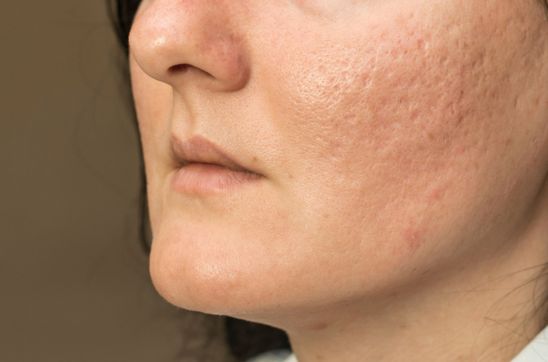
Understanding Pockmarks on the Face: Causes, Treatment, and Prevention
Why do some acne marks leave tiny dents on the skin even after healing? These small indentations, known as pockmarks, may change the skin’s texture but can be improved with the right care and treatment. Pockmarks on the face are quite common and can be managed. By understanding their causes and exploring effective pockmark treatment methods, smoother and healthier-looking skin is within reach.
We will explain the meaning of pockmarks, discuss common causes of pockmarks on the face, and share helpful pockmark treatment and prevention tips for better skin recovery.
What are Pockmarks?
To start with, pockmarks are small, indented scars that form on the skin when the deeper layers of tissue become damaged. These scars usually form when the skin’s natural healing process is disrupted, leading to uneven tissue repair.
A pockmarked face often looks uneven, with visible indentations that are more prominent under light. These scars can vary in depth and size and sometimes appear darker than the surrounding skin. Although they are not harmful, many people find them distressing and seek pockmark treatment to restore smoother skin.
Causes of Pockmarks on the Face
There are several causes of pockmarks on the face that contribute to their formation. Understanding these can help in both prevention and treatment.
Severe Acne
The most common cause of pockmarks on the face is severe acne, especially cystic acne. When inflamed acne penetrates deep into the skin, it can damage tissue and leave lasting depressions once the lesion heals.
Infections
Skin infections, such as chickenpox or bacterial infections, can destroy healthy tissue and lead to black pockmarks on the face. The loss of collagen during the healing process leaves behind pits.
Injury or Trauma
Severe cuts, burns, or injuries that reach deeper in the skin can lead to lasting pitted scars. If the healing process is slow or incomplete, a pockmarked face may develop.
Picking or Squeezing Acne
Improper handling of acne, such as squeezing or scratching pimples, can push bacteria and debris deeper into the skin. This may lead to inflammation, infection, and sudden pockmarks on the face.
Chronic Skin Conditions
Skin conditions that cause prolonged inflammation, such as severe dermatitis, may also contribute to pitted scars over time.
These causes of pockmarks on the face highlight the importance of early skincare intervention and the right pockmark treatment to reduce long-term damage.
How to Identify Pockmarked Skin
A pockmarked face is easily noticeable due to its distinct texture and appearance. Here are some signs to look for:
● Uneven Surface
The skin has a textured feel with gentle dips and natural contours that add character.
● Discolouration
Some people may notice black pockmarks on the face due to post-inflammatory hyperpigmentation that accompanies the scars.
● Persistent Roughness
Even after acne or infections have healed, the skin might remain uneven or lack its natural glow.
Treatment Options for Pockmarks
There are several pockmark treatment options available today, ranging from at-home care to advanced dermatological procedures. The best treatment depends on the severity of the scars, skin type, and overall condition.
Topical Treatments
Regular use of an anti-scar gel can help reduce the appearance of mild pockmarks. The effective formula of Mederma Advanced Plus Scar Gel supports cell renewal and boosts collagen production, helping improve skin texture and smoothness over time.
Chemical Peels
Chemical peels use mild acids to exfoliate the top layer of the skin. They help fade black pockmarks on the face and smooth out shallow indentations, revealing fresher and healthier skin underneath.
Microneedling
This treatment involves creating tiny micro-injuries in the skin to stimulate natural collagen production. Over multiple sessions, it can improve the appearance of a pockmarked face, making the skin firmer and smoother.
Laser Therapy
Laser resurfacing is considered one of the treatment methods for pockmarks and deep scars. It removes damaged skin layers and triggers collagen formation, resulting in a clearer and more even surface.
Dermal Fillers
Injectable fillers can be used to temporarily lift deep pockmarks, giving the face a smoother appearance. The results are immediate but usually last for several months before requiring a touch-up.
Subcision and Excision Treatments
For deeper and more stubborn scars, dermatologists may recommend subcision (releasing scar tissue beneath the skin) or punch excision (removing the scar entirely). These are minor procedures that can greatly improve skin texture.
Home and Preventive Care
Preventing pockmarks on the face starts with maintaining healthy skincare habits. Cleansing regularly, avoiding harsh picking, using sunscreen, and applying an anti-scar gel can help minimise future marks.
Combining professional treatments with consistent skincare at home often yields the best results. Consulting a dermatologist ensures that the chosen pockmark treatment suits your skin’s unique needs.
Reduce the Visibility of Black Pockmarks on the Face
Pockmarks are common and can develop due to acne, infections, or injury. Knowing pockmarks meaning and recognising the causes of pockmarks on the face helps in taking preventive steps early.
By following a healthy skincare routine, avoiding aggressive handling of acne, and using Mederma scar care products, one can gradually reduce the visibility of black pockmarks on the face. With consistent care and expert guidance, achieving smoother, healthier-looking skin is well within reach.
Pockmarks are not always permanent. With consistent skincare, professional treatments, and time, the appearance of wrinkles can be reduced significantly, although complete removal may not always be possible.
Sudden pockmarks often result from skin inflammation or infection that damages deeper layers. Acne breakouts, allergic reactions, or improper skincare routines can also contribute to their sudden appearance.
Diseases like smallpox or severe skin infections can cause pockmarks. In modern cases, untreated acne or bacterial infections that damage collagen during healing often lead to such scarring.
Acne scars can appear as flat, raised, or discoloured marks, while pockmarks are deeper indentations caused by tissue loss due to severe acne or infection.
 mederma@winmedicare.com
 Login
Login