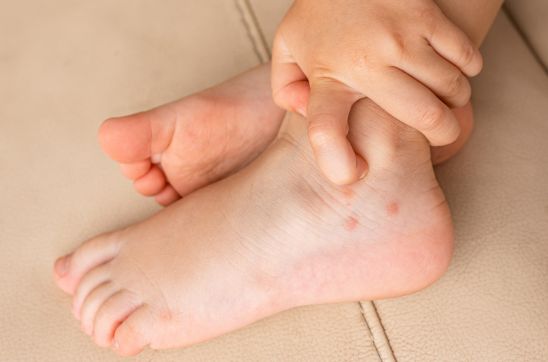
Mosquito Bite Scars: How to Get Rid of Them Effectively
Mosquito bites may look harmless at first, but for many people, they leave long-lasting marks. These mosquito bite scars can appear as dark spots, raised welts, or small pits that affect skin tone and texture. While some scars fade on their own, others linger for months, leaving people looking for solutions.
The question of how to get rid of mosquito bite scars is common, especially during summer or monsoon seasons when mosquito activity is high. There are different approaches, ranging from natural remedies to medical treatments, but the best results come from consistent care. With the right treatment, you can fade scars from mosquito bites and restore smoother skin. Before looking at treatments, it is important to understand why these scars form.
What are Mosquito Bite Scars?
Mosquito bite scars are the lingering marks that remain once the initial redness, swelling, and itching have subsided. While the bites themselves usually heal within a few days, repeated scratching or skin sensitivity can sometimes lead to long-lasting marks. These scars may appear as flat, dark patches caused by excess pigmentation, or as slightly raised areas known as hypertrophic scars.
In most cases, mosquito bite scars are mild and fade over time, but on some skin types, they can persist and become more noticeable. Their appearance depends on factors such as how intensely the bite was scratched, the depth of the inflammation, and the skin’s natural healing response. Although not harmful, they can affect the skin’s even tone and texture, prompting many people to look for ways to minimise or treat them.
Why do Mosquito Bites Leave Scars?
Not everyone develops scars after mosquito bites. The main reasons why scars appear include:
Scratching the Skin
Most scars are caused by repeated scratching, which breaks the skin and leads to deeper wounds.
Inflammatory Response
The immune system reacts strongly to mosquito saliva, causing redness and swelling that damages surrounding tissue.
Post-inflammatory Hyperpigmentation
Extra melanin is produced at the site, leaving behind dark spots.
Skin Type and Healing Ability
People with sensitive or acne-prone skin may scar more easily.
In short, the combination of itching, inflammation, and scratching is what makes a small bite turn into a long-lasting scar.
If you want to know how to get rid of mosquito bite scars, there are several simple but effective steps:
Cleanse Gently
Keeping the bite area clean prevents infection and supports healthy healing.
Moisturise Daily
Dry skin slows down recovery, while hydrated skin repairs itself faster.
Apply Sunscreen
Exposure to the sun makes scars darker. Regular sunscreen use keeps them from becoming permanent.
Exfoliate Lightly
Mild exfoliation helps shed dead cells, allowing new skin to surface.
Use Topical Creams
A scar removal cream for mosquito bites can be applied consistently to reduce visibility over time.
The best cure for mosquito bite scars is not a single quick fix. It is a combination of daily care, patience, and targeted treatments.
Ideal Mosquito Bite Scar Treatments
There are different levels of mosquito bite scar treatment, depending on the severity of the scars and personal preference.
Home Remedies
Many people start with home-based solutions. Aloe vera gel soothes inflammation, honey helps with hydration, and turmeric has mild anti-inflammatory properties. While these methods can support healing, they are usually slow and less effective on old scars.
Over-the-counter Treatments
Using a scar removal cream for mosquito bites is one of the most common approaches. Products with ingredients like onion extract, allantoin, or sodium hyaluronate can help soften scars. These work best when used regularly for several weeks.
Dermatological Treatments
For more stubborn scars, dermatological options may be considered. Chemical peels and microdermabrasion help remove surface pigmentation, while laser therapy targets deeper scars, but can be applied to visible mosquito scars too.
Lifestyle Adjustments
Simple changes, such as avoiding scratching, wearing breathable fabrics, and using insect repellents, also help. They do not remove scars but prevent new ones from forming.
How to Prevent Mosquito Bite Scars
Prevention is often easier than a cure. To reduce the risk of scarring:
Avoid scratching mosquito bites.
Apply soothing gels or calamine lotion to calm itching.
Use ice packs to reduce swelling.
Cover bites with a plaster to prevent scratching at night.
Wear protective clothing in mosquito-prone areas.
Use insect repellents and nets for extra protection.
By reducing irritation early, you lower the chances of needing scar removal later.
Managing Mosquito Bite Scars with Care
Mosquito bite scars are common but can be distressing. While they may not always be permanent and are pretty common, they can cause significant distress to many people. Treatments range from simple home remedies to medical procedures, but consistency matters most.
For those seeking everyday support, scar care creams can help. You can use Mederma for mosquito bite scars, which is designed to improve the appearance of old and new scars with regular use. Mederma Advanced Plus Scar Gel is also used for acne marks, scars due to burns, or cuts.
For anyone seeking a reliable scar removal cream for mosquito bites, selecting the right option is essential for visible results.
The best prevention is avoiding scratching. Applying anti-itch lotions, keeping skin moisturised, and using repellents reduces irritation and lowers the chance of scars.
Fresh scars usually fade within a few weeks. Older scars may take several months. Regular use of mosquito bite scar treatment products can speed up fading.
Most scars are not permanent. They fade gradually over time. Deep or pigmented scars may last longer but can still improve with treatment.
Yes. Scratching deepens the wound, increases the risk of infection, and causes darker pigmentation. It makes scars more difficult to remove.
 mederma@winmedicare.com
 Login
Login