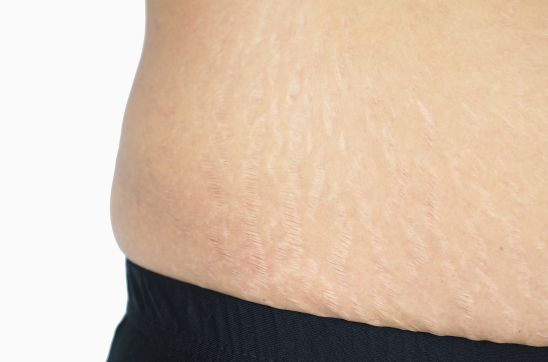
How to Remove Stretch Marks After Delivery: Effective Treatments & Tips
Every mother carries little reminders of her pregnancy journey, and for many, stretch marks are one of them. They often appear as faint lines on the tummy, thighs, or breasts, gentle signs of how beautifully your body adapted to nurture life. While they’re completely natural, it’s also okay to want your skin to look and feel like it once did.
With a bit of care and patience, those lines can fade, leaving your skin smoother and more radiant. Regular moisturising, healthy habits, and the use of an effective ointment for stretch marks can help you feel more confident in your skin as it heals and renews itself after delivery.
Causes of Stretch Marks After Delivery
Post-pregnancy stretch marks, often appearing on the belly, hips, thighs, or breasts, occur when your skin stretches rapidly during pregnancy. This sudden expansion causes the collagen and elastin fibres, which provide structure and elasticity, to tear slightly, forming fine lines or grooves on the surface.
Hormonal changes during pregnancy can also make your skin more prone to developing these marks. Genetics plays a role, too; if your mother experienced stretch marks after delivery, you may be more likely to get them.
Even though these marks are harmless, many new mothers wish to know how to get rid of stretch marks after delivery. With the right approach, it’s entirely possible to fade them visibly.
How to Remove Stretch Marks After Delivery
If you’re exploring how to remove stretch marks after pregnancy fast, think in terms of steady, kind care. Skin remodelling happens over months, not days, and small, consistent steps add up.
Daily Massage with a Suitable Base
A short, gentle massage once or twice a day can support circulation and ease skin tightness. Apply a light oil or cream and work in circular motions over the tummy, hips, thighs, and bust. Massage helps your chosen ointment for stretch marks penetrate more evenly and can improve comfort as the skin settles.
Use Stretch Marks Cream
A clinically proven ointment for stretch marks can help improve skin tone and texture. Mederma Stretch Marks Therapy is a paraben-free formula that is safe during pregnancy and breastfeeding, making it ideal for postnatal skincare.
Apply the cream twice daily on clean, dry skin using circular motions. With time, your skin becomes smoother and more even.
Patch Testing: A Safety Approach
Before applying the cream to larger areas, perform a patch test to ensure skin compatibility.
● Apply a small amount to a discreet area, such as the inside of your forearm.
● Wait 24–48 hours and observe for any redness, itching, or swelling.
● If no irritation occurs, proceed with regular application.
Hydration, Moisture, and SPF
Drink water throughout the day to support skin function, then lock moisture in with a body cream. Finish exposed areas with broad-spectrum SPF so lines fade evenly.
Build Tone with Approved Movement
Once your clinician gives the all-clear, start gentle activity such as walking, swimming, or postnatal yoga. Improved muscle tone can help skin lie flatter, complementing your topical routine.
In-clinic Options (when ready)
If you want added support, talk to a dermatologist after your postnatal check. Microneedling or fractional lasers can help remodel over a series of sessions. Continue your home routine, including an ointment for stretch marks, between appointments for consistency. If you’re trying to get rid of stretch marks after pregnancy, professional treatments can help speed up the process, but it’s important to remember that results take time.
Give it Time
Lines usually fade from stronger colour to softer, silvery streaks. Progress is personal. If you’re curious how some people reduce the appearance of stretch marks after pregnancy, it usually involves diligent skincare and access to clinical treatments. Clever lighting can also help, but there’s never a magic solution.
Prevention Tips for Post-Pregnancy Stretch Marks
If you’re planning future pregnancies or simply want to care for your skin day-to-day, these habits help.
Moisturise Consistently: Apply a body cream and then dot an ointment for stretch marks on the lines themselves for targeted care.
Manage Sun Exposure: Daily SPF limits contrast so marks blend more smoothly over time.
Support Skin from Within: Protein, vitamin C, zinc, and healthy fats help maintain collagen.
Comfortable Support Wear: Soft, well-fitting garments can reduce drag across the abdomen and hips.
Soften Pregnancy Stretch Marks and Restore Skin Confidence
Your body has done something remarkable. You never have to hide your lines; they are part of a real, human story. If softening their look would help you feel more comfortable, a consistent routine works best. Try gentle massage, daily moisture, and sun protection.
Use Mederma Stretch Marks Therapy, a paraben-free ointment for stretch marks that is safe during pregnancy and breastfeeding. Nourish your body and give the process time. Choose what feels right for you, without pressure.
They usually fade. Colour softens from pink purple to paler tones, and texture becomes less raised. Topical care, including a targeted ointment for stretch marks, can support this gradual change, though complete removal generally requires professional procedures.
Yes, with care. Mederma Stretch Marks Therapy is paraben-free and safe during pregnancy and breastfeeding. Keep routines simple, patch test new items, and speak to your clinician if you’re unsure about any ingredient.
Many stretch marks after pregnancy lighten over months, even without treatment. Hydration, moisturiser, and SPF help the process along. Adding Mederma for stretch marks can improve how the skin looks and feels as it fades.
Celebrities often use dermatologist-recommended products like Mederma Stretch Marks Therapy, along with treatments and hydration. So, how do celebrities get rid of stretch marks after pregnancy? Through consistent, expert-guided skincare.
Indirectly, yes. A balanced diet supports collagen production, and gentle exercise improves muscle tone, which can help skin look smoother. These steps complement topical care and any ointment for stretch marks you use, but they don’t replace time and realistic expectations.
 mederma@winmedicare.com
 Login
Login