How to Remove Holes from the Face Permanently: Tips & Treatments
Acne may fade, but the tiny holes it leaves behind often stay as unwelcome guests. These pits, marks, and uneven textures can make even healthy skin look tired and rough. But achieving smoother skin isn’t a distant dream anymore.
Thanks to today’s dermatological advancements and powerful skincare ingredients, you can now reduce acne holes and rebuild your skin’s strength from within. From collagen-stimulating procedures to scar gels that work overnight, real transformation is possible with consistency and care.
Keep reading and learn how you can remove holes from the face and bring back your natural glow.
What are the Holes on the Face?
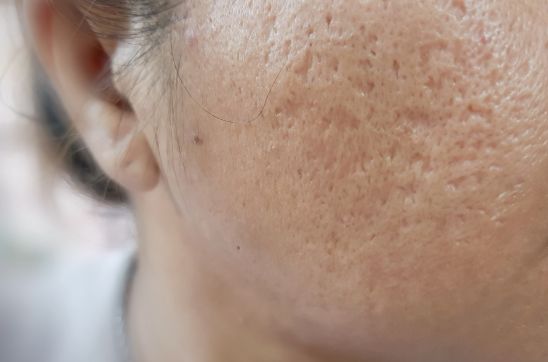
Holes on the face, often known as acne holes or pitted scars, form when the deeper layers of skin are damaged during severe acne breakouts. When inflammation destroys healthy tissue, the skin loses collagen, the protein responsible for firmness and smoothness.
As the wound heals, it fails to regenerate evenly, leaving small depressions or pits behind. These holes can appear shallow or deep, depending on how much tissue was lost. They are most common on areas like the cheeks, forehead, and nose, where oil glands are more active and acne tends to be more severe.
Causes of Holes on the Face
Holes on the face occur when acne-related inflammation damages skin layers and disrupts collagen repair. Several factors can increase the chances of permanent pitting.
Severe Acne or Cystic Acne
Deep, painful breakouts penetrate skin layers, destroying tissue and leaving lasting indentations that are difficult to heal naturally.
Frequent Picking or Squeezing
Constantly pressing or popping pimples on the face irritates the skin, worsens inflammation, and prevents proper healing, resulting in permanent acne holes.
Genetic Predisposition
Some individuals naturally produce less collagen, making them more prone to deeper, visible scars when acne heals improperly.
Delayed Acne Treatment Ignoring or postponing treatment allows acne to worsen, causing greater tissue loss and long-term pitted scars on the face.
Types of Acne Holes on the Face
Understanding the type of acne holes helps in choosing the right treatment for the holes on the face.
Main types include:
● Ice Pick Scars: Narrow and deep holes on the face caused by cystic acne. Looks like small holes on the face or enlarged pores.
● Boxcar Scars: Wide, shallow pits with defined edges. Common on cheeks and temples.
● Rolling Scars: Broad, wavy depressions creating uneven skin texture. Often caused by long-term inflammatory acne.
Treatment Options for Holes on the Face
Removing holes from the face permanently often requires a personalised blend of medical and skincare treatments. The best option depends on scar type, depth, and skin tone.
Topical Acne Scar Gels
Regular use of specialised scar gels can visibly reduce acne scars on the face. Formulas containing Cepalin soften and smooth scar tissue, while Tripeptol (a blend of peptides, collagen, and antioxidants) promotes regeneration and repair, revealing healthier skin with consistent use.
Laser Resurfacing
Laser resurfacing removes damaged skin layers and stimulates collagen growth, helping smooth pitted scars. Fractional CO₂ and Er: YAG lasers are effective for deep acne holes on the face.
However, one of the potential downsides is the risk of side effects such as redness, swelling, and temporary discomfort, and there may be a longer recovery time compared to other treatments.
Microneedling with Platelet-rich Plasma (PRP)
Tiny needles create micro-channels that trigger collagen renewal. When combined with PRP therapy, results are enhanced, improving skin texture and reducing acne holes naturally.
However, while the procedure is generally safe, some individuals may experience temporary redness, swelling, or mild discomfort, and there’s a slight risk of infection if proper aftercare is not followed.
Chemical Peels
Peels with glycolic or Trichloroacetic Acid (TCA) exfoliate the skin, fade shallow scars, and promote new cell growth. Ideal for treating mild to moderate acne holes on the face, but people with sensitive skin may experience side effects such as itching and redness.
Subcision and Dermal Fillers
Subcision breaks fibrous scar tissue beneath the skin, while dermal fillers lift depressed scars instantly.
While this combination helps restore an even and smoother skin surface, there is also a risk of infection or lumps forming under the skin. In some cases, the dermal fillers may migrate or cause an allergic reaction, though these occurrences are rare.
Preventive Measures for Avoiding Holes on the Face
While treatments help repair damage, prevention is the best defence against future acne holes on the face.
Tips to prevent acne holes on the face:
Treat acne early to prevent deep inflammation.
Avoid squeezing or picking pimples.
Cleanse skin gently with mild, pH-balanced cleansers.
Use sunscreen daily to protect healing scars.
Include vitamin-rich foods as part of a balanced diet.
Transform Your Skin with Consistent Care and the Right Products
If you’re wondering how to remove holes from the face permanently, the solution lies in understanding their cause and selecting the right treatment plan. From advanced laser procedures to daily skincare routines, consistent care is key to achieving smoother, even-toned skin.
Mederma PM Intensive Overnight Scar Cream helps you achieve healthy, healthy-looking skin with every application. Start today and see your skin transform into a smoother, more radiant version of itself.
Yes, with proper treatments, acne holes can improve. Mederma PM Intensive Overnight Scar Cream works while you sleep to soften and smooth textured scars. It hydrates deeply and supports skin renewal, helping reduce the look of holes on the face over time.
Mederma PM Intensive Overnight Scar Cream helps improve scar appearance within three to six months. Apply nightly before bed, massaging gently until absorbed. Use for 8 weeks on new scars and continue up to 6 months for older ones.
Yes, collagen production naturally drops as we age, which reduces skin firmness. When acne holes are left untreated, this loss of collagen can make them look deeper and more noticeable over time. Early care helps support smoother texture and prevents scars from worsening.
Yes. Acne holes are actually a type of scar on the face. They form when inflamed acne damages skin tissue and prevents smooth healing. This loss of collagen creates small pits or indentations. Treating them early helps improve texture and prevents scars from becoming deeper or more noticeable.
 mederma@winmedicare.com
 Login
Login