How to Remove Pimple Scars Naturally and Boost Skin Healing
Pimple scars are a common skin concern that can remain visible long after active breakouts have healed. They may appear as dark marks, uneven texture, or shallow indentations, depending on how the skin responded during the healing process.
Factors such as inflammation, skin type, and aftercare all influence how noticeable these marks become over time. Understanding the causes of pimple scars and the skin’s natural repair cycle helps set realistic expectations and supports better skincare decisions.
Many people prefer gentle, natural approaches that focus on gradual improvement rather than quick fixes. This blog explains the science behind scarring and the methods that support skin healing safely and consistently.
Scars After a Pimple: Why it Happens
A scar after a pimple forms when inflammation damages deeper skin layers. Severe acne, delayed healing, or picking at blemishes increases the risk of scarring. When collagen fibres break down during this process, the skin may heal unevenly, leaving marks or texture changes.
Facial skin is particularly vulnerable, which explains why pimple scars on your face often last longer. Early care, gentle cleansing, and avoiding trauma to active pimples help reduce scar formation. Understanding this process allows for better prevention and supports long-term efforts to get rid of pimple scars naturally.
Can Pimple Scars be Removed?
The answer depends on the type of scar and how the skin responded during healing. Flat marks caused by excess pigmentation often fade over time, while deeper scars develop when inflammation damages collagen. These deeper scars usually take longer to heal and may not fully disappear without professional care.
Natural approaches aim to improve skin regeneration rather than erase scars instantly. Consistent care, barrier protection, and patience can significantly reduce the appearance of pimple scars on your face.
While natural methods may not eliminate deep scars completely, they can make scars less noticeable and support healthier skin renewal. Understanding these limits helps set realistic goals when learning how to remove pimple scars naturally.
How to Get Rid of Pimple Scars
Learning how to get rid of pimple scars involves combining gentle skincare practices with ingredients that support repair and collagen production. The skin renews itself slowly, so results depend on regular care rather than quick fixes.
Using Acne Scar Gel Alongside Natural Care
An acne scar gel can complement natural methods by delivering targeted ingredients that support skin repair. When used as part of a routine, it helps soften scar tissue and improve tone over time. Consistency is crucial, as gradual improvement is the goal when focusing on removing the pimple scars naturally.
Supporting Skin Renewal Naturally
Mild exfoliation helps remove dead skin cells and allows newer skin to surface. Natural exfoliants used sparingly can improve texture without damaging the skin barrier. Over-exfoliation should be avoided, as it can worsen a scar after a pimple and increase sensitivity.
Hydration and Nourishment
Hydrated skin heals more efficiently. Choose over-the-counter products that help maintain moisture levels and improve elasticity. Consistent hydration supports collagen repair and gradually helps get rid of pimple scars by smoothing uneven areas.
Sun Protection as a Core Step
Sun exposure darkens scars and slows the healing process. Daily sunscreen use is essential for effective pimple scar treatment, especially for visible pimple scars on the face. Without protection, even the best routine may show limited results.
With patience and the right treatment added to the routine, a pimple scar on your face can gradually fade, and you can regain your healthy skin.
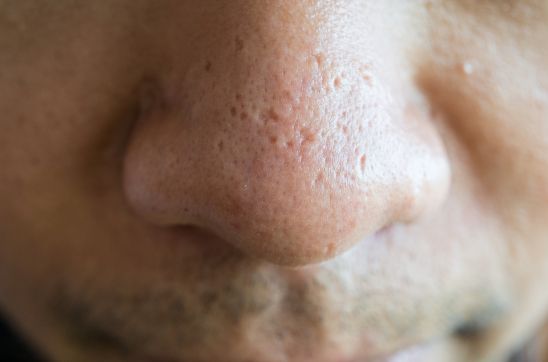
Pimple Scar on Nose: Why it’s Harder to Treat
A pimple scar on the nose can be more persistent than scars on other areas of the face. The skin on the nose is thicker and produces more oil, which can interfere with healing. Frequent touching and cleansing also disturb the skin barrier.
Gentle care is especially important here. Avoid harsh scrubs or aggressive treatments, as these can prolong healing.
Encourage Healthier Skin Through Consistent Care
Managing pimple scars is a gradual journey that requires patience, consistency, and a clear understanding of how skin heals over time. Paying attention to how the skin responds and avoiding irritation helps scars soften and fade more evenly.
Mederma PM Intensive Overnight Scar Cream helps you support the skin’s overnight recovery process by working when the skin is most receptive to repair. With regular use, pimple scars can become less noticeable, leading to healthy-looking skin over the long term.
Mild scars may fade within a few months, while deeper scars take longer. With Mederma PM Intensive Overnight Scar Cream, newer marks can improve within weeks, while older scars may need 3 to 6 months to show visible improvement.
Some shallow pimple scars may fade on their own over time as the skin renews itself. Pimple scars usually need targeted care, and using Mederma PM Intensive Overnight Scar Cream can help improve their appearance more effectively.
Not all pimple scars can be removed completely, especially deeper or long-standing ones. However, many pimple scars on the face can be reduced in appearance with consistent care, the right treatment approach, and patience over time.
The best skincare routine to get rid of pimple scars includes gentle cleansing, regular hydration, daily sunscreen use, and an acne scar gel. This balanced approach supports skin repair and helps improve scar appearance naturally over time.
Pimple scars on the face last longer because facial skin is constantly exposed to sunlight, pollution, and daily touch. These factors slow the healing process and make scars more persistent without consistent care and protection.
 mederma@winmedicare.com
 Login
Login