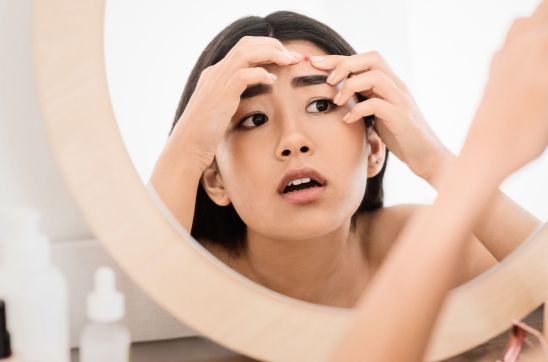
Forehead Pimple Reason: Common Causes & How to Prevent Breakouts
Forehead breakouts are among the most common skin concerns, affecting teenagers and adults alike. While a single pimple may seem harmless, recurring spots in the same area often point towards underlying triggers related to lifestyle, skincare habits, or internal health. Understanding the cause of forehead pimples helps identify what your skin is responding to and how best to manage it without overcorrecting or damaging your skin barrier.
The forehead is particularly prone to congestion due to higher oil production and frequent contact with hair, hands, and headwear. By exploring the most common and lesser-known causes, this guide explains why these breakouts appear and what practical steps can be taken to reduce future flare-ups.
Are forehead pimples hormonal?
Several everyday factors contribute to breakouts in this area. Identifying the cause of pimples on the forehead often begins with understanding how the skin behaves in the T-zone.
Excess Oil Production
The forehead contains a high concentration of sebaceous glands. When excess oil mixes with dead skin cells, pores clog easily.
Hair Products and Scalp Oils
Styling products, dry shampoo, and natural scalp oils can transfer onto the forehead and block pores.
Infrequent Cleansing
Skipping face washing or using unsuitable cleansers can leave residue that builds up over time.
Sweat and Friction
Hats, helmets, and headbands trap sweat and bacteria, increasing breakout risk. Together, these factors explain many reasons for forehead acne, particularly when breakouts appear consistently in the same area.
Other Potential Reasons for Forehead Pimples
Beyond surface-level triggers, internal and environmental factors also play a role in the causes of forehead acne.
Hormonal Fluctuations
Changes during puberty, menstruation, pregnancy, or stress can increase oil production.
Digestive Imbalance
While not a medical diagnosis, some people notice forehead breakouts linked to irregular eating habits or poor gut health.
Sleep Disruption
Inadequate rest affects skin repair and can increase inflammation.
Environmental Pollution
Airborne particles settle on exposed skin, contributing to pore congestion if not cleansed properly.
These influences often explain why pimples on the forehead appear even when skincare routines seem consistent.
How to Treat & Prevent Forehead Acne and Pimple Scars
Managing forehead breakouts requires a balanced approach that focuses on prevention first and treatment second. Once the reason for forehead pimples is identified, it becomes easier to follow a routine that supports skin recovery without causing further irritation. Daily prevention habits:
Cleanse twice daily using a gentle, non-comedogenic cleanser to remove excess oil, sweat, and impurities without stripping the skin.
Keep hair clean and avoid heavy styling products near the hairline, as residue can easily transfer onto the forehead and clog pores.
Change pillowcases regularly to minimise bacteria, oil, and product build-up that comes into contact with the skin overnight.
Avoid touching or picking at active spots, as this increases inflammation and raises the risk of long-term scarring. Targeted treatment:
Use lightweight, oil-free moisturisers to maintain hydration and prevent the skin from overproducing oil.
Introduce ingredients such as salicylic acid or niacinamide gradually to help clear pores and calm redness without overwhelming the skin.
For post-breakout marks, products formulated as an acne scar gel can help improve skin texture when used consistently.
For lingering scars, Mederma PM Intensive Overnight Scar Cream work alongside the skin’s natural repair process during sleep. It can help reduce the appearance of pimple scars and improve overall tone over time.
Consistency and patience are key to visible improvement.
Forehead breakouts are rarely random. Whether influenced by oil production, lifestyle habits, hormones, or environmental exposure, they often reflect how the skin is responding to daily stressors. Knowing why we get pimples on the forehead allows for targeted prevention rather than aggressive treatments that disrupt skin balance. Consistency in cleansing, mindful product choices, and patience with skin recovery are key to long-term improvement.
While active acne can usually be managed with the right routine, addressing marks left behind requires time and appropriate care. With informed choices and steady habits, clearer skin becomes a realistic, sustainable outcome rather than a short-term fix.
Yes, hormonal fluctuations can increase oil production, making pores more likely to clog. This is commonly seen during puberty, menstrual cycles, pregnancy, or hormonal imbalances, and may also worsen during periods of prolonged physical or emotional stress.
Stress raises cortisol levels in the body, which can stimulate excess oil production and inflammation. Over time, this creates an environment where pores clog more easily, often leading to forehead breakouts during demanding or emotionally stressful periods.
For some people, diets high in sugar, refined carbohydrates, or heavily processed foods may aggravate acne. While diet alone may not cause pimples, it can influence inflammation levels and overall skin health when combined with other triggers.
Yes, dehydration can disrupt the skin’s balance, prompting it to produce more oil to compensate. This excess oil may clog pores, meaning forehead pimples can indicate poor hydration rather than naturally oily skin.
 mederma@winmedicare.com
 Login
Login