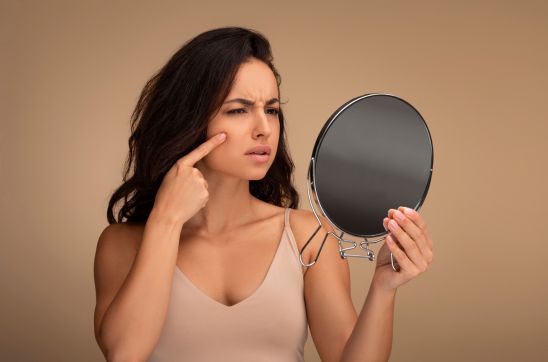
Does Stress Cause Pimples? Understanding Stress Acne & How to Manage It
Stress affects the body in more ways than most people realise, and the skin is often one of the first places it shows up. Long work hours, emotional pressure, irregular sleep, and constant mental strain can quietly disrupt internal balance, leading many to wonder: Does stress cause pimples, or is it just a coincidence?
While acne is commonly linked to hormones, diet, and skincare habits, mounting evidence suggests stress plays a significant role in triggering and worsening breakouts.
Understanding how stress interacts with the skin can help identify why sudden pimples appear during demanding periods. More importantly, it allows for practical, realistic ways to manage both stress levels and skin health together, rather than treating breakouts in isolation.
How Stress Triggers Pimples
Stress affects the skin through a chain reaction inside the body. When stress levels rise, the body releases cortisol, a hormone that increases oil production in the sebaceous glands. Excess oil mixes with dead skin cells and bacteria, creating the ideal environment for clogged pores and inflammation. Over time, this process answers the common question of whether stress causes pimples, especially when stress becomes chronic rather than occasional.
Stress also weakens the skin’s natural barrier, making it more prone to irritation and slower healing. In addition, people under stress often touch their face more, skip skincare routines, or experience sleep disruption, all of which further contribute to breakouts. Together, these factors explain why stress-related acne can feel sudden, stubborn, and difficult to control.
Common Stress Acne Areas
Stress-related breakouts tend to follow noticeable patterns on the face and body. Understanding where stress acne is located can help differentiate it from other forms of acne.
Common stress acne areas include:
Forehead and temples, often linked to mental overload and sleep deprivation
Jawline and chin, where stress hormones influence oil production
Cheeks, particularly during prolonged emotional strain
Upper back and shoulders, especially during periods of physical or workplace stress
These stress acne areas often flare up simultaneously and may appear more inflamed than usual, making them easy to identify when stress levels rise.
Signs Your Acne is Caused by Stress
Not all acne is stress-related, but certain signs strongly point towards emotional or mental triggers rather than skincare or dietary causes. Indicators include:
Breakouts appearing during exams, deadlines, or emotional upheaval
Pimples that worsen despite a consistent skincare routine
Sudden flare-ups with no changes in products or diet
Slower healing and increased sensitivity
When stress causes pimples, they often feel deeper under the skin, last longer, and leave behind marks if repeatedly inflamed.
How to Manage Stress Acne
Managing breakouts linked to stress requires addressing both the skin and the mind. Treating only the surface without reducing stress can lead to recurring flare-ups and lingering marks.
Effective approaches include:
Maintaining a gentle, consistent skincare routine that supports the skin barrier
Prioritising sleep to regulate cortisol levels
Practising stress-reducing habits such as walking, breathing exercises, or journaling
Avoiding over-exfoliation, which can worsen irritation
Supporting skin recovery with targeted products, such as an acne scar gel, once active breakouts heal
For those dealing with acne due to stress, overnight repair products designed to support skin regeneration, such as Mederma PM Intensive Overnight Scar Cream, can help improve skin texture. They also assist in fading post-acne marks as the skin naturally renews itself during sleep.
Preventing Stress-induced Breakouts
Prevention focuses on long-term balance rather than quick fixes. Since pimples due to stress often return during demanding periods, building resilient habits is key. Preventive measures include:
Establishing a regular sleep-wake cycle
Staying hydrated to support skin function
Avoiding excessive caffeine during high-stress periods
Practising consistent relaxation techniques
Keeping skincare simple during stressful phases
Understanding the link between stress and acne allows individuals to anticipate flare-ups and take early steps to protect their skin before breakouts fully develop.
Stress-related acne is not a myth, but a well-documented response of the body under pressure. From hormonal changes to weakened skin barriers, stress can directly influence how and where breakouts appear. The good news is that stress acne is manageable with awareness, consistency, and patience.
By recognising triggers early, maintaining gentle skincare, and supporting skin repair after breakouts, long-term damage can be minimised. Addressing emotional wellbeing alongside topical care creates a more sustainable path to clearer skin.
While stress may be unavoidable at times, its impact on the skin does not have to be permanent when managed thoughtfully and holistically.
Stress pimples often appear red, inflamed, and deeper under the skin. They may be more painful and take longer to heal compared to regular whiteheads or blackheads.
Yes, anxiety can increase cortisol levels, which may stimulate excess oil production and inflammation, contributing to breakouts.
Drinking enough water supports overall skin health and barrier function, which can help the skin cope better during stressful periods, though it is not a standalone cure.
Stress acne can improve once stress levels reduce. However, without proper skincare and stress management, it may leave marks or recur during future stressful situations.
 mederma@winmedicare.com
 Login
Login