Understanding Depressed Acne Scars: Causes, Treatment, and Prevention
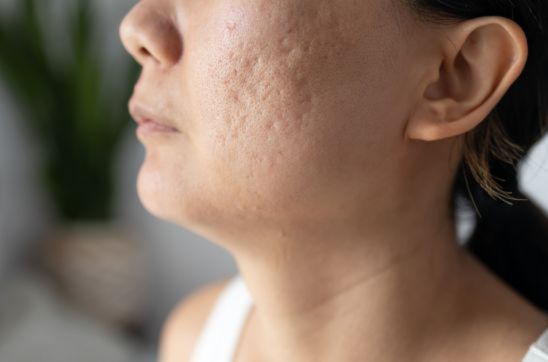
Breakouts may fade, but the story your skin tells is uniquely yours. Depressed acne scars are small dips that form when inflammation disrupts collagen, leaving the surface slightly lower than the surrounding skin. If you are wondering what depressed acne scars are, picture tiny indentations that catch the light and make the texture more noticeable than colour.
These marks are common and part of the normal healing process, and many people choose to care for them. With routines and gentle products, skin can look softer and healthier over time, while celebrating your natural texture. Let’s learn the causes of depressed acne scars, choose effective treatments, build prevention habits, understand cheek scarring, and combine procedures with home care for smoother skin.
What are Depressed Acne Scars?
Clinically called atrophic scars, these are indentations left after acne heals with a deficit of collagen. They can be shallow, saucer-like, or narrow ice-pick pits, often described as depressed or pitted acne scars.
If you have asked what depressed acne scars are, the short answer is that the skin’s support matrix has thinned in that area. So the surface sits below the surrounding tissue. People frequently notice depressed acne scars on cheeks because the mid-face endures intense inflammation and movement that can accentuate texture.
What Causes Depressed Acne Scars?
Inflammation is the main reason these marks develop, and it is a normal part of the skin’s healing process. When a spot becomes inflamed, enzymes can reduce collagen and elastin. During repair, the body may not fully rebuild this support, which can leave a small dip. Touching or squeezing can irritate the area further, so a hands-off approach is kinder to healing skin.
Genetics, timing of treatment, and recurring cystic breakouts also play a role. In short, depressed or pitted acne scars reflect a mix of inflammation, minor mechanical stress, and each person’s unique healing pattern. None of this is a failure. With gentle care and patience, the texture can look softer over time.
Treatment For Depressed Acne Scars
An effective treatment plan for depressed acne scars usually combines clinic procedures with consistent home care. Over-the-counter options, such as a proven anti-scar gel, are recommended to support collagen renewal between sessions and maintain results.
Targeted Home Care with an Anti-scar gel
Daily use of a proven anti scar gel supports remodelling between sessions and helps maintain results. Consider adding Mederma Advanced Plus Scar Gel to your routine for treating depressed acne scars.
Ingredients Spotlight
● Cepalin® Botanical Extract: Helps visibly reduce the look of old and new scars.
● Allantoin: Calms and supports skin regeneration, helping to soften scar tissue.
● Triple-action Formula: Encourages collagen activity, locks in moisture, and promotes gentle cell renewal for a smoother, softer appearance.
How to Use?
Follow these simple steps to use the anti-scar gel correctly and support steady, visible improvement.
When to Start
Begin once new skin has formed, at least two weeks after the injury or surgery, when scabs and stitches have been removed.
Application
Apply a thin layer once a day to the scar and gently massage until it is absorbed, leaving no shiny residue.
Duration
Use for eight weeks on new scars, and three to six months on older scars.
Less is More
If skin feels dry or flaky, reduce the amount used.
Patience
Early changes may be noticeable within four weeks, with optimal results typically achieved around eight weeks.
Important: For external use only. Avoid contact with the eyes. Discontinue use if irritation occurs, not for deep wounds, animal bites, or severe burns. Keep out of reach of children. In-clinic options
You can consider the following dermatologist-performed procedures, but please note that they can be costly and may not be suitable for everyone. Always consult a dermatologist before proceeding.
Microneedling: Triggers collagen remodelling to lift shallow indents.
Chemical Peels: Glycolic, salicylic, or TCA to refine texture.
Fractional Lasers: Remodel deeper collagen for more established scars.
Subcision: Releases tethered strands, allowing the indentation to rise.
Preventing Depressed Acne Scars
Prevention focuses on calming breakouts early and protecting collagen, allowing the skin to heal smoothly. Simple daily habits and gentle, hands-off care reduce the chance of new indentations.
Treat Acne Early
Evidence-based routines and timely dermatology care limit inflammation.
Hands Off
Do not pick or squeeze to avoid depressed or pitted acne scars.
Daily SPF
Sun protection reduces colour contrast while scars remodel.
Support the Skin’s Natural Barrier
Gentle cleansing, non-comedogenic moisturiser, and periodic exfoliation.
Consistency
Adhere to your plan for smoother results, especially for depressed acne scars on the cheeks.
Select a plan that you can stick to and start today. Book your dermatologist’s treatment if needed, then support results at home with simple daily steps. After cleansing, massage a thin layer of Mederma Advanced Plus Scar Gel into the scar once a day until fully absorbed. Its triple-action system with Cepalin and Allantoin supports collagen activity, locks in moisture, and encourages healthy cell renewal for a smoother look over time.
Follow the usage schedule, reducing the amount if your skin feels dry, and be patient as the changes take effect. Protect your progress every morning with SPF and keep your hands away from healing skin. Track photos fortnightly to see steady improvements. This routine respects your skin and your confidence. Start now, stay consistent, and give your skin the time it needs to remodel. With regular care, depressed acne scars can appear softer, and your skin texture can become more even.
Complete removal of depressed acne scars is uncommon, and expectations should stay realistic. Meaningful improvement is possible with collagen-stimulating procedures, sun protection, gentle routines, and consistent home care, ideally supported by a dermatologist and a proven anti-scar gel. Track progress with photos to keep motivation and measure change.
It appears as a shallow or deep indentation that sits below the surrounding skin. Shapes vary: pinpoint ice-pick pits, sharply edged boxcar depressions, or broader rolling dips that cast shadows in angled light. Texture, not colour, makes them noticeable, especially on cheeks and temples, under daylight and camera flash.
A depressed scar is referred to as an atrophic scar. In acne, dermatologists use the term atrophic acne scars, which include ice-pick, boxcar, and rolling types. They sit below the surrounding skin due to collagen loss, unlike hypertrophic or keloid scars, which are raised.
Depressed vs raised acne scars differ in height relative to nearby skin. Raised scars sit above the surface from excess collagen, while depressed scars are indentations formed by collagen loss and appear sunken under direct light. Understanding this difference guides treatment choices and sets realistic expectations for results.
 mederma@winmedicare.com
 Login
Login