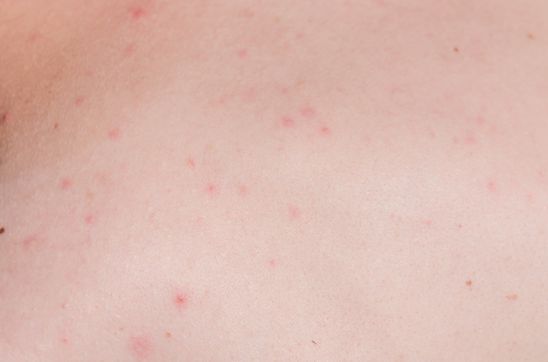
Butt Acne Scars: Why They Happen and How to Treat Them
Butt acne is a combination of acne and folliculitis. The scars can be uncomfortable due to their location in a high-friction area, which is often covered and prone to sweating. Many people notice acne scars on the butt after recurring bumps, inflamed follicles, or clogged pores that heal unevenly.
When the skin repairs itself, it can leave dark acne scars on the butt or textured marks that take time to smooth out. The good news is that butt acne scar treatment does not have to be complicated.
With the right hygiene, smart clothing choices, targeted skincare, and consistent habits, you can get rid of butt acne scars and reduce future flare-ups. This blog explains why butt acne and scars happen and shares practical steps for butt acne scar removal.
Causes of Butt Acne and Scars
Acne and folliculitis, which is inflammation around hair follicles, can lead to butt acne scars, especially when bumps are repeated or picked. Here are some of the common causes of butt acne scars:
Friction and Tight Clothing
Tight jeans, leggings, and synthetic fabrics trap heat and rub the skin. This friction irritates follicles and increases breakouts. Over time, repeated inflammation can create acne scars on the butt and lingering dark marks.
Sweat and Heat Build-up
Sweating is natural, but trapped sweat creates a warm, moist environment. This can trigger clogged pores and bacterial growth, which can worsen butt acne and scars. If the bumps are deeply inflamed, they are more likely to leave dark acne scars on the butt.
Clogged Pores from Body Products
Heavy body creams, oils, or fragranced products may clog pores, especially when combined with sweat. This can fuel bumps and lead to butt acne scars treatment becoming necessary later.
Picking, Squeezing, and Scratching
This is one of the fastest ways to turn mild bumps into acne scars on the butt. Picking increases inflammation and slows healing, which raises the chance of visible butt acne scars.
How to Get Rid of Butt Acne Scars
Butt acne scar removal works best when you treat the cause while supporting steady skin renewal.
Start with Gentle Cleansing
Use a mild, non-comedogenic cleanser daily, especially after sweating. Avoid harsh scrubs because they can irritate skin and worsen acne scars on the butt. A consistent cleanse reduces new bumps, which supports long-term butt acne scars treatment.
Scar Gel
Mederma Advanced Plus Scar Gel is a helpful part of butt acne scar treatment. Apply the scar gel consistently on fully healed skin. While it’s not a quick fix, regular use can promote a healthier, more even skin tone over time.
Moisturise
Dry skin can look more textured, which makes acne scars on the butt appear worse. Choose a lightweight, non-greasy moisturiser. If you are exfoliating, moisturising also reduces flaking and sensitivity, improving your overall butt acne scars treatment results.
Reduce Friction
If you want butt acne scar removal to work, reduce the trigger that created the problem. Choose breathable cotton underwear, avoid overly tight pants, and change out of sweaty clothes quickly. Less friction means fewer new bumps, which helps get rid of butt acne scars faster over time.
Protect Skin from Repeated Irritation
Even though the butt is usually covered, friction and sweat can still cause acne. Keep skin calm by avoiding strong-fragrance products and choosing gentle laundry detergents.
Consider In-clinic Solutions for Stubborn Scars
If acne scars on the butt are deep, pitted, or raised, topical treatments may be limited. Dermatology procedures can improve texture and tone. Common options include chemical peels, microneedling, laser treatments, and scar gels. These can speed up butt acne scar removal when marks are persistent or widespread.
How to Prevent Butt Acne and Future Scars
Prevention matters because even the best butt acne scars treatment will feel slow if new bumps keep forming. These habits can reduce butt acne and scars over the long term.
Shower Soon after Workouts
Sweat sitting on the skin increases irritation and pore blockage. A quick shower helps reduce the risk of future acne scars on the butt.
Keep Bedding and Towels Clean
Dirty fabric holds sweat, bacteria, and product build-up. Clean towels and bedsheets reduce triggers for butt acne and scars.
Manage Long Sitting Hours
If you sit for work, take short standing breaks. Less pressure and friction reduce new breakouts and support butt acne scar removal over time.
When to See a Dermatologist?
Home care works for many people, but there are times when professional help is the smarter route. See a dermatologist if:
Your bumps are painful, spreading, or keep returning despite good hygiene.
You suspect folliculitis, boils, or infection rather than simple acne.
Your skin reacts badly to over-the-counter products or exfoliants.
A dermatologist can confirm the cause and recommend targeted butt acne scars treatment, including prescription options and in-clinic procedures.
Butt acne scars can feel slow to improve, yet steady habits make the biggest difference over time. Focus on reducing friction, quickly changing out of sweaty clothes, and avoiding picking so that new marks do not form.
For existing butt acne scars, a simple routine that promotes skin renewal and keeps the area calm is easier to maintain in the long term. For a safer option to support butt acne scars treatment, add Mederma Advanced Plus Scar Gel to your routine on fully healed marks.
Use it consistently and stay patient, because visible change often happens gradually. If bumps are painful, recurring, or leave deep marks, a dermatologist can guide stronger butt acne scar removal options that suit your skin.
Many butt acne scars fade gradually, especially dark acne scars on the butt caused by pigmentation. Mederma Advanced Plus Scar Gel, used once daily, can fade scars in about four weeks. New scars often need 8 weeks, while older scars can take 3 to 6 months.
Yes, harsh scrubs or over-exfoliation can irritate skin and worsen butt acne and scars. Use gentle chemical exfoliation a few times weekly and moisturise to support healing.
Long sitting increases heat and friction, which can trigger new bumps and worsen acne scars on the butt. Take breaks, wear breathable fabrics, and keep the area dry.
Yes, sweat trapped under tight clothing can clog pores and irritate follicles, worsening butt acne and scars. Shower after workouts and change into clean, dry clothes quickly.
 mederma@winmedicare.com
 Login
Login