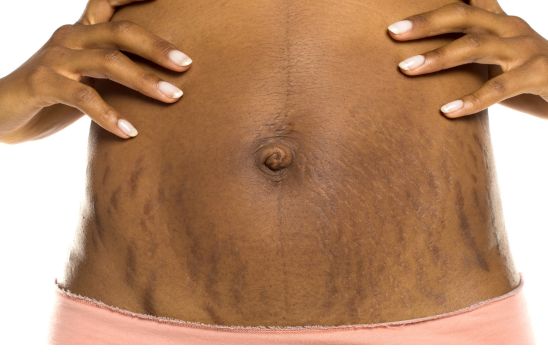
Black Stretch Marks: Causes, Meaning & How to Remove Them
Black stretch marks are a common skin concern that many people experience at some point in life. They often appear as dark streaks on areas where the skin has been stretched due to growth, weight changes, or pregnancy. Understanding what black stretch marks mean can help you address them effectively.
From knowing why they develop to exploring treatment options, this guide covers everything you need to know. With proper care and the right approach, including using products like a specialised cream for stretch marks, you can improve their appearance and embrace your skin confidently.
What are Black Stretch Marks?
Black stretch marks are a type of striae, which are essentially streaks or lines that form when the skin stretches rapidly. They begin as darker streaks, black or dark brown, before gradually fading over time to lighter shades such as red or white.
These marks can appear on various skin tones and form in areas where the skin has stretched or changed shape. Essentially, black stretch marks indicate that the skin’s elastic fibres have been stretched beyond their normal capacity. They are a natural response to changes in the body, often linked to hormonal fluctuations or rapid skin expansion.
Causes of Black Stretch Marks
Several factors contribute to the formation of black stretch marks. Understanding these causes can help in prevention and treatment:
Pregnancy: Black stretch marks during pregnancy are common, especially on the abdomen, thighs, and breasts, due to rapid stretching of the skin.
Weight Fluctuations: Sudden weight gain or loss can stress the skin, causing dark streaks.
Puberty: Rapid growth spurts during adolescence often result in stretch marks on thighs, hips, and other areas.
Genetics: Family history can influence skin elasticity and susceptibility to stretch marks.
Hormonal Changes: Hormonal shifts, such as those during pregnancy or puberty, can weaken skin fibres.
Certain Medical Conditions: Conditions like Cushing’s syndrome or prolonged steroid use can increase the likelihood of black stretch marks.
Areas Commonly Affected by Black Stretch Marks
Black stretch marks can appear almost anywhere on the body, but some areas are more prone:
Abdomen: Frequently affected during pregnancy or significant weight gain.
Hips and Buttocks: Rapid changes in body shape often trigger marks here.
Arms and Back: Less common but possible, especially during adolescence or muscle gain.
How to Remove Black Stretch Marks
While black stretch marks cannot be completely erased, there are effective ways to reduce their appearance. Here are some key approaches:
Topical Treatments
○ Use a specialised cream for stretch marks, such as Mederma Stretch Marks Cream, which is paraben-free and safe for breastfeeding. It helps hydrate the skin, improve elasticity, and reduce the appearance of stretch marks.
○ Apply twice daily to affected areas, gently massaging in circular motions for optimal absorption.
Moisturising and Hydration
○ Keeping the skin supple can prevent further damage.
○ Natural oils like cocoa butter or almond oil can complement creams.
Medical Treatments
○ Laser therapy or microdermabrasion can be considered for severe cases.
○ Consult a dermatologist to discuss suitable options.
Healthy Lifestyle
○ Maintain a balanced diet rich in vitamins and minerals to support skin health.
○ Regular exercise can improve circulation and skin elasticity.
Consistency is Key
○ Visible improvement often takes weeks of consistent treatment.
○ For black stretch marks after pregnancy, starting early with moisturising and topical creams can enhance results.
Gentle Care Makes a Difference
Black stretch marks are a normal part of life, showing how your skin adapts to changes such as pregnancy, growth, or weight shifts. Understanding their causes and knowing how to remove black stretch marks can help you care for your skin effectively.
Using a gentle and effective cream for stretch marks, keeping your skin hydrated, and maintaining consistent care can improve their appearance over time. Stretch marks are simply a sign of your body’s natural changes, and with the right care, you can maintain healthy, confident, and comfortable skin.
Black stretch marks typically fade over time, transitioning from dark to lighter shades. While they may never disappear completely, treatments like creams and moisturisers can significantly reduce their visibility.
Yes, black stretch marks during pregnancy are common due to rapid skin expansion, hormonal changes, and stretching of areas like the abdomen, thighs, and breasts.
Dark or black stretch marks usually appear when the skin stretches rapidly, causing the underlying blood vessels to show through. Hormonal fluctuations and genetics also play a role.
Black stretch marks are more noticeable on darker skin tones and often indicate a newer, more inflamed stage of striae. Over time, they may lighten to red or white as the skin heals.
 mederma@winmedicare.com
 Login
Login