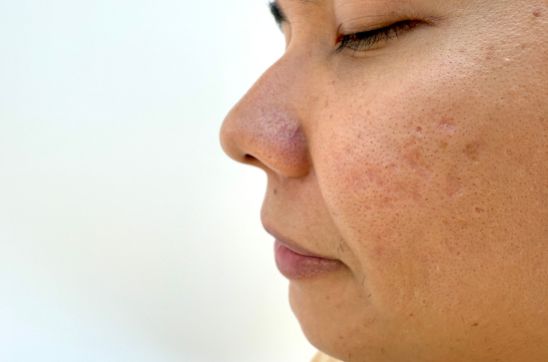
Acne marks are a natural part of the skin’s healing process after a breakout. With proper protection, your skin will continue to renew itself and gradually become clearer over time. The timeline depends on the type of mark you have, how deep the skin was affected, and the condition of the skin (especially from sun exposure).
If you have been wondering how long it takes for acne scars to fade, you are not alone. Some marks lighten within weeks, while deeper scars take longer and may need targeted care to soften their appearance.
In this blog, we will cover what causes acne scars, factors that speed up or slow down results, and treatment options to help you stay on track.
What Causes Acne Scars?
Acne scars form when a breakout causes inflammation deep enough to disrupt the skin’s normal structure. When the skin tries to repair itself, it may produce too much or too little collagen, which changes the surface texture. This is different from post-acne marks, which are usually pigment changes left behind after the spot has healed.
Common causes include:
Inflamed acne, such as cysts and nodules, which sit deeper in the skin
Picking or squeezing, which increases inflammation and tissue damage
Delayed treatment, allowing spots to stay inflamed for longer
Genetics, which can influence collagen response and pigmentation patterns Understanding what you are dealing with helps you set realistic expectations for the healing time of acne scars and choose the right approach.
How Long Does it Take for Acne Scars to Fade?
The time it takes for acne scars to fade can vary depending on the type and severity of the scars. Most users notice improvements within 2-4 weeks, with optimal results typically achieved in around 8 weeks. However, every scar is different, and for some, it may take a bit longer to see significant changes.
The fading process can also be influenced by factors such as skincare routines, treatment effectiveness, and individual skin healing rates.
Additionally, protecting your skin from sun exposure is crucial, as UV rays can darken scars and slow down the healing process. While improvement is gradual, maintaining a steady skincare regimen and being patient will help you achieve smoother, clearer skin over time.
Factors that Affect How Fast Acne Scars Fade
Several everyday factors influence how much time acne scars take to fade, even when you use good products. These are:
Type of Scar or Mark: Pigment marks fade faster than indented scars because the surface texture has not changed.
Skin Tone and Melanin Response: Deeper skin tones may experience more noticeable pigmentation after inflammation, which can extend the fading window.
Sun Exposure: UV exposure can deepen pigmentation and prolong the duration of marks. Daily sunscreen is one of the most effective ways to support fading.
Ongoing Breakouts: New acne keeps inflammation active and can lead to more marks. Supporting acne control is part of improving the appearance of scars.
Product Consistency: Most topical routines need steady use for several weeks before changes become obvious. Switching products too often can slow progress.
Skin Barrier Health: A damaged barrier can lead to irritation and uneven healing. Gentle cleansing, moisturising, and avoiding harsh scrubs help keep progress steady.
How to Treat Acne Scars
The right treatment depends on your scar type and the amount of change you want to see. A blend of at-home care and professional options usually works best. Here are some treatments and tips for treating acne scars and achieving smoother, clearer skin.
Daily Sunscreen
Sunscreen helps prevent marks from getting darker and supports an even skin tone. This step is often the difference between slow fading and steady improvement.
Gentle Exfoliation for Surface Renewal
Chemical exfoliants such as Alpha-hydroxy Acids (AHAs) and Beta-hydroxy Acids (BHAs) can help improve texture and fade pigmentation over time. Start slowly and avoid overuse.
Targeted Topical Support
A pimple scar ointment can be useful as part of a routine, especially when you want a simple step focused on hydration, barrier support, and gradual visible improvement. For overnight care, Mederma’s PM Intensive Overnight Scar Cream is a convenient option to incorporate into your night routine, as it is designed to work while skin is in its natural repair cycle.
Choose a formula that feels comfortable on your skin and does not cause stinging or dryness, and use it consistently for the best visible change over time.
Professional Treatments for Deeper Scars
If you have indented scars, in-clinic options may deliver better texture change than topical care alone. These may include:
a. Microneedling
b. Chemical peels
c. Laser treatments
d. Subcision for rolling scars
A dermatologist can recommend the best fit based on your skin type and scar pattern.
Stay Consistent, and Let Your Skin Do the Rest
Acne marks do not vanish overnight, but they often improve more than you expect when care stays consistent. Pigment marks can fade within weeks to months, while deeper scars take longer and may need targeted treatments for visible change.
Start with the basics that support healing: sunscreen, gentle cleansing, barrier-friendly moisturising, and a routine that suits your skin. If you want a simple overnight step to complement this routine, Mederma’s PM Intensive Overnight Scar Cream can be worked into your nightly care for steady, gradual improvement.
Give it time, keep your routine steady, and you will notice clearer, more even-looking skin with each passing month.
Some acne scars soften slightly with time, especially shallow ones, but deeper texture changes often need targeted treatment for noticeable improvement. However, using Mederma’s PM Intensive Overnight Scar Cream can help gradually fade away acne scars.
Yes. Marks are usually pigment-related and fade more quickly than true scars, which involve changes in collagen and skin structure. Using Mederma’s PM Intensive Overnight Scar Cream consistently for 2-4 weeks can show gradual positive results.
It can happen, especially if there is irritation, sun exposure, or ongoing inflammation. Consistent sunscreen and gentle care usually help prevent this.
Older scars can be more stubborn, especially textured ones, but many treatments can still improve their appearance over time with consistent use. Mederma’s PM Intensive Overnight Scar Cream is specifically formulated to visibly reduce the appearance of scars.
 mederma@winmedicare.com
 Login
Login