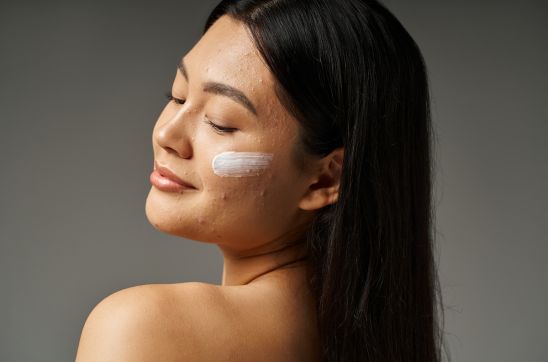
Acne-prone skin is a common skin type that can appear at any stage of life, and it’s completely normal. Many people look for ways to care for their skin while keeping it balanced, healthy, and comfortable.
Choosing the right products, treatments, and daily routine plays a key role in supporting overall skin wellness. Using an effective acne scar cream can help reduce the appearance of spots and keep skin smooth and nourished.
Understanding your skin type and its specific needs is essential for making informed skincare choices. If you are wondering whether your skin is prone to acne, this blog explains what acne-prone skin means and how to maintain healthy skin.
What is the Meaning of Acne-prone Skin?
Acne-prone skin is more likely to develop blackheads, pimples, or whiteheads than normal skin. People with this skin type may notice frequent breakouts, excess oil production, or sensitivity to certain products.
Understanding the meaning of acne-prone skin is the first step toward caring for it effectively. Factors such as genetics, hormones, lifestyle habits, and skincare choices can influence acne-prone skin. Early recognition of acne pores on the skin is important for preventing scarring and persistent inflammation.
Common Signs Your Skin is Prone to Acne
Identifying acne-prone skin is easier if you know the typical signs. Some key indicators include:
Frequent breakouts, particularly on the face, chest, or back.
Enlarged or visible pores are often described as a sign of acne-prone skin.
Excessive oiliness or a shiny appearance by midday.
Redness, inflammation, or sensitivity when trying new skincare products.
If your skin shows these signs regularly, you likely have acne-prone skin. Being aware of these symptoms allows you to take proactive steps, like using an acne scar cream in your skincare routine to help treat breakouts.
What Causes Skin to Become Acne-prone?
Several factors can contribute to acne-prone skin:
Hormonal Changes
Androgens can increase sebum (oil) production, clogging pores and causing breakouts, especially during puberty, menstruation, or hormonal fluctuations in adults.
Excess Oil and Dirt
Accumulation of sebum, dead skin cells, and impurities can trigger pimples, blackheads, and whiteheads if the skin is not cleaned gently and regularly.
Lifestyle Factors
Stress, poor diet, inadequate skincare, and lack of sleep may worsen acne and increase inflammation, leading to more frequent, stubborn breakouts over time.
Genetics
If your family has a history of acne-prone skin, you may inherit similar tendencies, making you more susceptible to persistent blemishes and enlarged pores.
Environmental Factors
Pollution, humidity, and exposure to dust or harsh chemicals can irritate skin, clog pores, and worsen acne, especially for sensitive or reactive skin types. Understanding these causes helps you prevent flare-ups and maintain clear skin.
Daily Skincare Routine for Acne-prone Skin
A consistent routine can help control breakouts and improve skin texture:
Gentle Cleanser Use a very mild cleanser twice daily to remove dirt, oil, and makeup.
Toner Apply an alcohol-free toner to balance the skin’s pH.
Exfoliation Limit to 1–2 times per week to avoid irritation.
Targeted Treatment
Incorporate Mederma PM Intensive Overnight Scar Cream to reduce marks and support skin recovery while you sleep. This acne scar cream helps in reducing breakouts over time and heals the skin in the process.
Moisturiser
Choose a lightweight, non-comedogenic formula to prevent dryness.
Sun protection
Apply sunscreen every morning to protect sensitive skin. Following this routine consistently helps keep acne-prone skin healthy, clear, and less prone to future breakouts.
When to See a Dermatologist?
It’s important to seek professional advice when acne is severe or persistent. Look out for the following:
Cystic or Painful Acne
Deep, inflamed pimples that are painful to touch.
Scarring
Formation of scars despite using home treatments or creams.
Rapid Worsening
Acne that spreads quickly or doesn’t improve with Over-the-counter (OTC) products.
No Response to Home Care
Breakouts persist even after following a consistent skincare routine.
A dermatologist can prescribe targeted treatments such as acne scar cream, chemical peels, or laser therapy tailored for acne-prone skin, helping prevent long-term damage.
Take Control of Your Acne-prone Skin with Mederma
Managing acne-prone skin requires consistent care, the right products, and targeted treatments. Using Mederma PM Intensive Overnight Scar Cream as part of the nightly routine can significantly reduce the appearance of scars while improving overall skin texture. Combine it with a gentle cleanser, non-comedogenic moisturiser, and sun protection to see real improvements in your skin’s health.
Don’t wait for breakouts or scars to take over your confidence. Start your proactive acne care today with Mederma and experience smoother, clearer, and healthier-looking skin. Take charge now by using the acne scar cream and make acne-prone skin a thing of the past.
You may have acne-prone skin if you notice frequent breakouts, visible pores, or oily skin. Genetics, hormones, and environmental factors help in contributing to susceptibility.
Acne-prone skin is commonly oily but can also appear in combination with dry patches in certain areas. Identifying your exact type helps select suitable skincare products.
Acne often peaks during adolescence due to hormonal changes, but can persist into adulthood. For some, breakouts can persist into the mid-20s or later, depending on individual factors.
Acne-prone skin may present with frequent breakouts, blackheads, enlarged pores, redness, and uneven texture. Using acne scar cream can improve the appearance of marks over time.
 mederma@winmedicare.com
 Login
Login