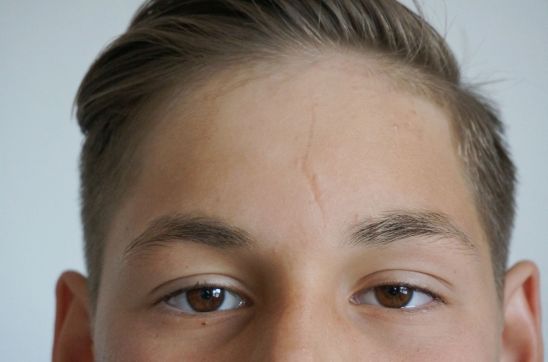
Our skin does an incredible job of healing itself, and sometimes that process leaves behind small reminders, like a scar mark on the forehead. These marks are a normal part of how the body repairs and protects, not something to feel concerned about.
Still, caring for your skin and wanting to improve the texture or colour of a forehead scar is perfectly fine too. Understanding what causes these scars, the different types that can form, and how they can be gently treated helps you make informed choices about your skincare routine.
Common Causes of Scar Marks on the Forehead
A scar mark on the forehead can appear for various reasons. Because the forehead is one of the most exposed parts of the face, even a small injury can leave a visible mark. Here’s what could be the meaning of the forehead scar:
Accidental Cuts or Injuries
Everyday accidents, such as bumping your head or a minor fall, can easily cause an injury mark on the forehead. As the skin heals, new tissue forms to close the wound, which can sometimes result in a visible scar.
Acne and Breakouts
Cystic or inflammatory acne on the forehead can leave behind scars once healed. Picking or squeezing spots increases the risk of lasting marks as it disrupts the natural healing process.
Surgical or Medical Procedures
Small incisions or stitches from surgery can sometimes cause mild scarring, depending on how the wound heals. Proper aftercare can significantly reduce the visibility of such scars.
Burns and Skin Infections Thermal or chemical burns, or even skin infections, can damage deeper layers of the skin. This type of injury takes longer to heal and may leave behind a forehead scar that takes time to fade.
Allergic Reactions or Insect Bites
Excessive scratching from allergic reactions or insect bites can lead to broken skin, which may develop into small scars during the healing process.
While these causes are common, it’s important to remember that scars are completely natural. They are simply signs that your body has worked hard to protect and repair itself.
Types of Forehead Scars
Understanding the type of scar you have will help you in choosing the right way to care for it. Different scars form depending on how your skin heals and how deep the injury goes.
Flat Scars
Flat scars are light marks that usually fade over time. These are often the result of mild acne or surface-level wounds.
Atrophic Scars
Atrophic scars appear as small indentations or dips on the skin. They are commonly caused by acne or chickenpox and occur when there isn’t enough collagen produced during healing.
Hypertrophic Scars
These scars are raised and may feel firm to touch. They form when the skin produces excess collagen while repairing itself.
Keloid Scars
Keloids are thicker than hypertrophic scars and extend beyond the original wound area. Although harmless, they can be more noticeable on the forehead.
Pigmented Scars
Sometimes a scar mark on the forehead is not raised or indented but appears darker or lighter than the surrounding skin. This is known as post-inflammatory hyperpigmentation and often fades gradually.
How to Treat Scars on the Forehead
Treating a forehead scar depends on its type, age, and depth. Some scars fade naturally, while others may need a little help from skincare or dermatological treatments.
Scar Gel Creams
Topical products such as scar gel creams are among the most effective and convenient ways to care for scars. Mederma’s scar gel helps soften and smoothen scars over time, improving their texture and colour. Apply a thin layer of the gel to the scar 3-4 times daily, at least for 10 weeks for new scars and up to 6 months for older scars. Regular use can help reduce the visibility of scars while keeping the skin hydrated and healthy.
Silicone Gel Sheets
These sheets are applied directly over the scar to keep the area moisturised. They work particularly well on raised scars, such as hypertrophic or keloid types.
Laser Therapy
Laser treatments resurface the skin and help reduce pigmentation or uneven texture. They are commonly recommended by dermatologists for older or deeper scars.
Microneedling
This technique stimulates collagen production by creating tiny micro-injuries in the skin. Over time, it can improve the smoothness and tone of the forehead scar.
Chemical Peels
Mild chemical peels help remove dead skin cells and encourage new cell growth, which can lighten darker scars and even out the skin tone.
Surgical Revision
For severe or very old scars, surgical options can be considered. However, they are usually a last resort when other methods have not worked.
When it comes to choosing the right treatment, it’s best to consult a skin specialist who can recommend what suits your skin type and the scar on the forehead best.
How to Prevent Forehead Scars
While it’s not always possible to prevent scars completely, proper care can help the skin heal more evenly and reduce their appearance.
Clean Wounds Gently
Wash any cuts or scrapes with mild soap and water. Avoid using harsh antiseptics that can irritate the skin.
Avoid Picking or Scratching
Picking at healing wounds or acne can increase the risk of permanent marks. Let the skin heal naturally.
Keep Skin Hydrated
Moisturised skin heals better and is less likely to scar. Use a gentle moisturiser or a scar gel cream once the wound has closed.
Protect From Sunlight
Sun exposure can make scars darker and more visible. Apply sunscreen with SPF 30 or higher every day, especially on healing skin.
Follow Post-treatment Care
If you’ve had surgery or cosmetic treatments, follow all aftercare instructions carefully to support proper healing.
Eat a Balanced Diet
Vitamins A, C, and E, along with sufficient hydration, promote faster and healthier skin repair.
A scar on the forehead or an injury mark on the forehead is nothing to be self-conscious about. It’s a simple reminder that your body knows how to heal and protect itself. Still, if you wish to care for it and support your skin’s natural renewal, there are many gentle and effective options available.
With Mederma’s scar gel, you can begin your skin care journey on the right foot. The key is to approach your skincare journey with patience, kindness, and confidence.
Scars do not define you, but they’re part of your story. But caring for them is also a way of caring for yourself.
Some forehead scars fade naturally over time, especially if they’re mild or superficial. With consistent care and use of Mederma’s scar gel, their appearance can improve significantly. Healthy skincare habits, such as sun protection and moisturising, also support natural fading.
Forehead scars are quite common since the area is more exposed to minor injuries and acne. Most people develop at least one small mark during their lifetime. These scars are a normal part of the skin’s healing process and nothing to worry about.
To reduce pimple scars on the forehead, keep your skin clean, use gentle exfoliation, apply sunscreen daily, and try a scar gel cream to smooth and lighten the marks. For deeper scars, treatments such as chemical peels or microneedling can help improve texture.
Keloid scars can form on the forehead, but they’re less common than on areas like the chest or shoulders. Proper wound care and early scar treatment can help prevent them. If keloids do appear, dermatological treatments like corticosteroid injections can reduce their size and firmness.
 mederma@winmedicare.com
 Login
Login