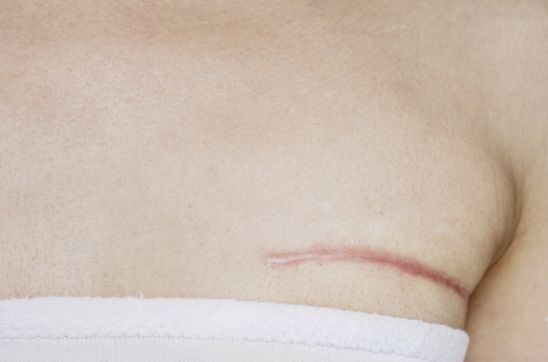
Breast Reduction Scars: What to Expect and How to Minimise Them
Have you ever wondered what happens to your skin after a breast reduction surgery? For many, this surgery brings relief, confidence, and balance, but it also leaves behind visible signs of healing scars. These breast reduction scars are a natural part of recovery and fade over time with proper care. With the right techniques and patience, you can help your skin heal and restore its natural texture.
Scars don’t define beauty; they tell a story of strength and self-care. Let’s learn how to manage, protect, and minimise breast reduction surgery scars effectively for smoother, healthier-looking skin.
Do Breast Reduction Surgeries Leave Scars?
Many people often ask, does breast reduction surgery leave scars? The answer is yes, but the extent and visibility depend on the surgical technique and your body’s natural healing process. Every procedure involves incisions, and as the body repairs itself, it forms scar tissue. These marks are completely normal and part of recovery.
Your surgeon will make careful incisions in areas that can be hidden easily by clothing or natural contours. These are usually placed around the areola or beneath the breast fold. Over time, many people find that breast reduction scars become barely noticeable, especially with proper post-surgery care.
Types of Scars After Breast Reduction Surgery
The size and shape of scars depend largely on the surgical technique used. Here are the most common scar patterns:
Anchor-shaped Scar
This is the most common pattern for larger breast reductions. The cut goes around the areola, straight down to the breast crease, and then across the fold under the breast. Initially, these breast reduction surgery scars can look more pronounced but tend to fade well with time and care.
Lollipop Scar
Used for moderate reductions, this pattern involves making an incision around the areola and extending vertically down to the crease, without adding a horizontal line. Many people find that these scars heal and are easy to conceal under swimwear or lingerie.
Periareolar Scar
For smaller reductions or reshaping, the incision is only around the areola. These scars usually blend naturally with the surrounding skin tone.
Whatever the pattern, breast scar reduction after one year is often much lighter and smoother than it appeared in the first few months.
Breast Reduction Scar Treatment Options
Your recovery plan will play a big role in how your scars heal. Here are effective options to support smoother, more even-toned skin:
Keep the Area Clean and Moisturised
In the first few weeks, follow your surgeon’s cleaning routine carefully. Once the cut has healed, gently apply a light moisturiser to keep the skin soft and prevent dryness, helping it heals more smoothly.
Massage for Blood Flow
When your doctor allows, a gentle massage around healed scars can improve circulation and soften tissue. This helps your breast reduction scars gradually smooth out.
Use an Anti-scar Gel or Cream
Dermatologist-recommended anti scar gel can help reduce the visibility of breast reduction surgery scars. Look for paraben-free options suitable for sensitive skin. Consistent use over several months can make a visible difference in the scar’s texture and colour.
Daily use of a proven anti-scar gel supports skin remodelling between sessions and helps maintain results. Consider adding Mederma Advanced Plus Scar Gel to your routine for treating post-surgery scars.
Ingredients Spotlight
a. Cepalin® Botanical Extract: Helps visibly reduce the look of old and new scars.
b. Allantoin: Calms and supports skin regeneration, helping to soften scar tissue.
c. Triple-action Formula: Encourages collagen activity, locks in moisture, and promotes gentle cell renewal for a smoother, softer appearance.
Sun Protection
Sun exposure can darken healing scars, making them more visible. Always use sunscreen with SPF to protect your skin and prevent pigmentation. A formula designed for sensitive skin or post-procedure care can help protect against UV damage and aid in breast reduction scar treatment.
Professional Treatments
If you prefer advanced care, consult a dermatologist about options like laser therapy, microneedling, or chemical peels. These methods target deep scar tissue and can further enhance your results over time. However, such treatments may be expensive and aren’t suitable for everyone, so it’s best to discuss them with a qualified specialist before proceeding.
With the right care routine and consistent use of suitable products, your skin can heal beautifully. Every small step you take helps your breast reduction scars fade gently, revealing healthier, more confident skin over time.
Immediately after surgery, breast reduction scars appear pink or reddish. They may also feel slightly raised or firm, which is a normal part of the healing process. Over the next few months, the scars begin to flatten and lighten. By six months, most people notice a softer texture and paler colour.
Breast scar reduction after one year is usually much less visible and can continue improving for up to two years. Healing depends on your genetics, skin type, and how closely you follow aftercare advice.
It’s important to remember that scars tell a story; they show strength, recovery, and self-care. Many people notice visible breast scar reduction after one year with patience and consistent care. Over time, the scars often soften and fade into thin, pale lines that blend naturally with the surrounding skin.
Breast reduction scars are a normal and natural part of the healing process. They represent recovery, strength, and confidence. With proper skincare, regular sun protection, and gentle scar care, these marks can gradually fade and become much less noticeable over time. Consistency and gentle attention are the keys.
Remember, your body’s healing process is unique, and every scar tells a personal story. If you wish to help your skin heal smoothly and reduce the appearance of scars, consider Mederma, a trusted option for scar care. Regular application can help soften, smooth, and lighten breast reduction surgery scars, supporting healthy-looking, radiant skin.
The size of breast reduction scars depends on the amount of tissue removed and the technique used by the surgeon. Larger reductions require longer incisions for reshaping. With consistent care and patience, these scars gradually fade and become much less noticeable over time.
Yes, breast reduction surgery scars are permanent, but they gradually fade into fine, lighter lines over time. With consistent care, use of scar creams, and regular sun protection, the scars can soften, smooth out, and blend naturally with your skin’s tone and texture.
Healing timelines differ for everyone. Most people notice visible improvement in breast reduction scars within six to twelve months, as the colour fades and texture soften. Complete healing can take longer, particularly for darker or thicker skin types, depending on care, sun exposure, and overall skin health.
Scars can be minimised but not erased. Wearing well-fitted bras, choosing clothing that covers incision lines, and using breast reduction scar treatment products such as anti-scar gels can help reduce their visibility and make them less noticeable over time.
 mederma@winmedicare.com
 Login
Login